

Summary:
- Your eye prescription naturally evolves as your eyes age, adapt to your daily screen use, and respond to your overall health. Most people notice the most significant changes after 40, especially in near vision and focusing ability.
- Gradual shifts are normal, but if you experience sudden blurring, distorted vision, or persistent discomfort, these could signal underlying eye conditions that require immediate attention.
Is It Normal for Your Eye Prescription to Keep Changing?
If you feel like your glasses prescription keeps changing, it can be frustrating—and sometimes a bit worrying. You might wonder if something is wrong or if your eyes are deteriorating faster than they should.
In reality, some level of change is expected. Your eyes naturally evolve, and your daily habits can also influence your vision.
The key is knowing the difference between normal shifts and signs that need closer attention—and when to see an eye specialist in Singapore for a proper assessment.
Keep reading to find out more.
How Eye Prescriptions Normally Change With Age
Your eyes don’t stay the same throughout your life. The structures inside your eye gradually change, affecting how light is focused and how clearly you see. These shifts tend to follow a general pattern depending on your age.
Vision Changes in Your 20s–30s
In your 20s and 30s, your prescription often stabilises, especially if you developed short-sightedness (myopia) earlier in life.
That said, you may still notice small adjustments during eye tests. Long hours on screens, inconsistent sleep, and eye strain can make your vision seem worse than it actually is. You might find that your eyes feel tired by the end of the day, or that your vision becomes slightly blurry after prolonged screen use.
This is usually temporary and linked to focusing fatigue rather than a true prescription change. If you rest your eyes, your vision often returns to baseline.
Vision Changes in Your 40s–50s
As you move into your 40s, your eyes start to lose flexibility. This condition, known as presbyopia, affects your ability to focus on near objects. You may catch yourself holding your phone further away or needing brighter lighting to read comfortably.
At this stage, even if your distance vision remains relatively stable, your overall prescription may need updating to include reading support. Many people switch to reading glasses, bifocals, or progressive lenses. It’s common for prescriptions to change more frequently during this period as your near vision continues to evolve.
Vision Changes After 60
After 60, you may notice more frequent changes in your vision, but these are not always due to ageing alone.
Conditions such as cataracts, glaucoma, and age-related macular changes become more common and can affect how clearly you see. Your prescription may shift as the lens inside your eye becomes cloudier or as other structures change.
Common Reasons for Prescription Changes
When your prescription changes, it’s often due to a combination of natural processes and lifestyle factors.
Natural Ageing of the Eye
Over time, the lens inside your eye becomes less flexible and slightly thicker. The muscles that control focusing may also weaken. These changes affect how light is directed onto your retina, which can alter your prescription gradually.
This process is expected and happens to everyone, although the rate of change varies from person to person.
Lifestyle and Screen Time Effects
If you spend long hours on digital devices, your eyes are constantly working to maintain focus at a fixed, close distance. This can lead to digital eye strain, dryness, and fluctuating clarity.
You may notice that your vision feels sharper in the morning but becomes blurry later in the day. While this doesn’t always mean your prescription has changed permanently, it can influence how your vision performs in real-life situations.
Underlying Health Conditions
Your overall health plays a role in your vision. Conditions such as diabetes can cause fluctuations in your prescription. Changes in hydration, blood pressure, or medication can also temporarily affect how your eyes focus.
If your prescription seems to change frequently within a short period, it’s worth considering whether a systemic health factor could be contributing.
When a Change May Signal Something More Serious
While many prescription changes are harmless, some symptoms prompt an evaluation from an eye specialist.
Sudden or Dramatic Vision Shifts
A rapid change in your prescription over weeks or months is not typical. If your vision suddenly worsens or you find that your glasses no longer work at all, it’s important to get your eyes checked.
This type of change may be linked to conditions affecting the lens or internal structures of the eye and shouldn’t be ignored.
Blurred or Distorted Vision
If straight lines appear wavy, or if your vision looks distorted even with updated glasses, this may point to changes in the retina or macula. Persistent blur that doesn’t improve with rest is another sign that needs attention.
These symptoms can affect your ability to read, drive, or recognise faces, so early assessment matters.
Eye Pain or Discomfort
Discomfort is not a normal part of prescription changes. If you experience eye pain, pressure, redness, or sensitivity to light, it may indicate inflammation, infection, or increased eye pressure.
How Eye Specialists in Singapore Evaluate Prescription Changes
If your prescription keeps changing, an eye specialist will take steps to understand why the change is happening and whether anything else is affecting your eye health.
Comprehensive Eye Examination
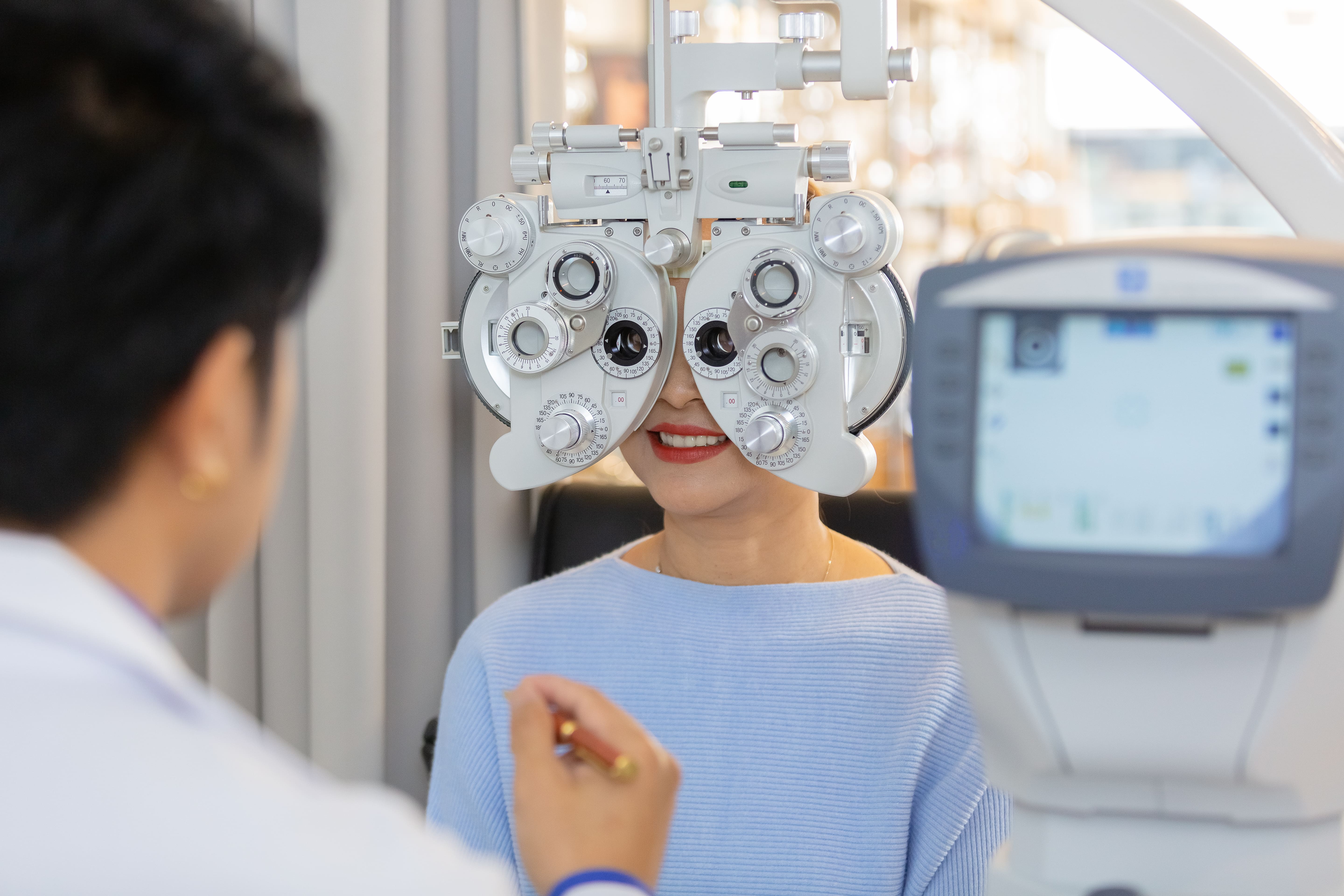
You’ll start with a detailed assessment of your vision at different distances. This includes checking how clearly you see, how your eyes focus, and how well they work together. Your prescription is measured carefully to identify even subtle changes.
Diagnostic Tests and Imaging
If needed, additional tests may be carried out to examine the internal structures of your eye. These tests help detect early changes in the lens, retina, or optic nerve that may not be obvious during a standard vision check.
Considering Your Medical and Family History
Your medical background provides important context. Conditions such as diabetes, as well as a family history of glaucoma or macular disease, can influence how your vision changes over time.
Sharing details about your health, medications, and any family history of eye conditions helps your eye specialist pinpoint what’s driving the changes and decide whether you simply need an updated prescription or further investigation.
Not sure if your prescription changes are normal? Book an eye check-up at Lumin Eye Specialists in Singapore for a detailed assessment.
Tips for Maintaining Stable Vision
You may not be able to stop your prescription from changing entirely, but you can take steps to support your eye health and reduce unnecessary strain.
Regular Eye Check-Ups
Don’t wait until your vision becomes noticeably worse. Regular eye examinations allow you to track gradual changes and adjust your prescription before it starts affecting your daily life. Early detection also helps identify any underlying conditions at a more manageable stage.
Healthy Lifestyle and Nutrition
A balanced diet rich in leafy greens, fruits, and omega-3 fatty acids supports overall eye function. Staying hydrated and keeping conditions like diabetes under control can help reduce fluctuations in your vision.
Managing Screen Time and Eye Strain
If you spend long hours on screens, build in regular breaks. Follow the 20-20-20 rule—every 20 minutes, look at something 20 feet away for 20 seconds.
Adjust your screen brightness, sit at a comfortable distance, and make sure your environment is well-lit. These small changes can reduce strain and help your vision feel more stable throughout the day.
Book an Eye Screening at Lumin Eye Specialists in Singapore
If your prescription has been changing more often than expected, or your vision feels different day to day, it’s worth getting an eye screening to identify what’s driving the change and rule out any underlying issues early.
At Lumin Eye Specialists in Singapore, our assessment focuses on helping you understand the cause of your changes, not just updating your prescription. Contact us today.