

Cataract Surgery & Assessment – Restoring Clear Vision
- Home
- Cataract Surgery & Assessment

What Are Cataracts?
As people age, proteins in the eye’s lens break down and clump together, losing its transparency. A cataract occurs when the normally clear lens becomes hazy, preventing sufficient light from entering the eye. This reduction in light results in blurred or hazy vision, making everyday tasks like night driving or reading subtitles more challenging.
Most cataracts develop gradually and can affect one or both eyes. In fact, they are the most common reversible cause of blindness in older adults. In Singapore, over 80% of people aged 60 and above have visually significant cataracts.
Cataracts are a leading cause of reversible vision impairment worldwide, but, thankfully, they are treatable.
If you have symptoms like cloudy or blurry vision and increased sensitivity to light, it may be time for a cataract assessment. At Lumin Eye Specialists, we provide comprehensive cataract assessment and surgery to restore your vision and enhance your quality of life.
Signs and Symptoms of Cataracts
Cloudy, fuzzy, or foggy vision
Blurred or hazy sight due to lens opacity
Glare and halos
Bright lights appear more intense or have rings around them
Double vision in one eye
Objects may appear distorted or duplicated
Poor night vision
Reduced light reaching the retina makes it hard to see in the dark
Faded colours
Colours may look dull or less vibrant

Cloudy, fuzzy, or foggy vision

Glare and halos

Poor night vision

Faded colours
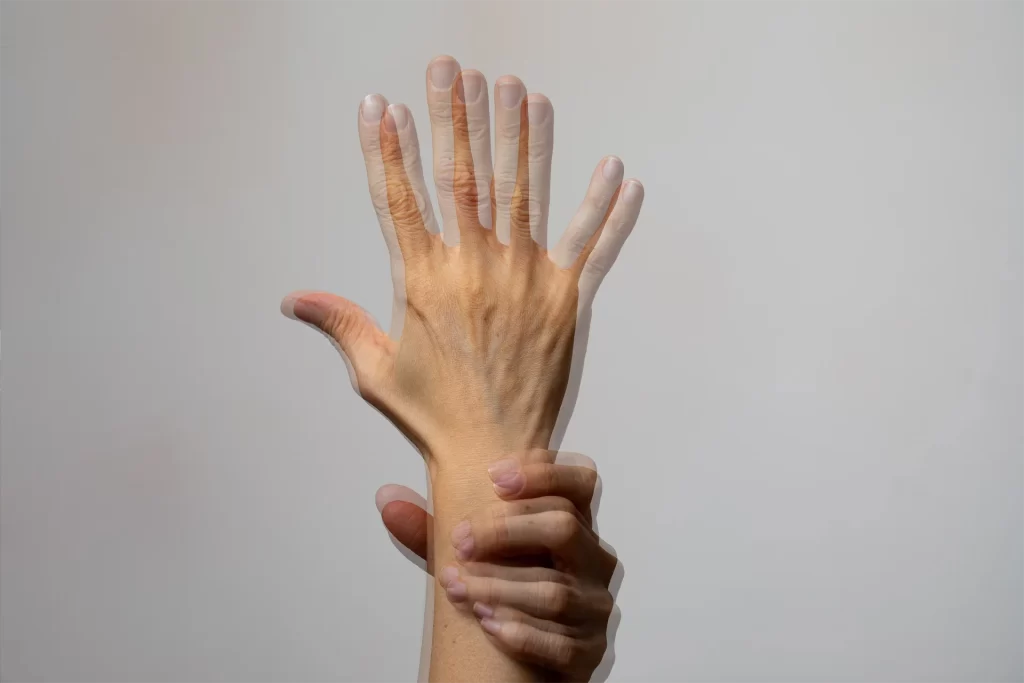
Double vision in one eye
Causes & Risk Factors for Cataracts
- Ageing: Cataracts gradually develop as people get older, especially after the age of 40
- Diabetes: High blood sugar levels can accelerate cataract formation
- Other Medical Conditions: Metabolic diseases, chronic kidney disease
- Genetics: Cataracts may have a hereditary factor
- UV exposure: Excessive exposure to UV can increase the risk of cataracts
- Smoking: Smoking can damage the lens of the eye and speed up the development of cataracts
- Previous eye injury: A previous eye injury can damage the lens of the eye and increase the risk of cataracts
- Previous eye surgery: Previous eye surgery can cause trauma or inflammation that affect the lens, increasing the chance of cataract formation
- Steroid medications: Prolonged use of steroid medications can interfere with lens metabolism, leading to cataract development
- Eye diseases: Conditions such as uveitis, glaucoma, thyroid eye disease, or retinitis pigmentosa can contribute to cataract formation due to their impact on the eye’s internal structures

Do You Need a Cataract Assessment?
- Identify whether your vision is affected by a cataract
- Detect cataract development (type and severity)
- Determine appropriate treatment (what type of cataract surgery, and when)
call +65 6266 2088 to schedule a consultation with our cataract surgeon for thorough evaluation today.

Types of Cataract Screening Tests
Cataract assessment may involve any of the following
This uses a chart to test how well one can read a range of letters in decreasing sizes
Eye drops are used to dilate one’s pupils, allowing the doctor to examine the retina and the lens of the eye
This allows the doctor to clearly see the structures of both the front and back of the eye and detect any abnormalities
This is used to determine the health of the retina and optic nerve and determines the visual potential and also the choice of implant suitable to the patient
These tests assess how cataracts affect vision under different lighting conditions. They are not routinely done but may be requested by the patient’s insurance
This takes measurements of the eye to determine which lenses are suitable for your eye. We also measure the astigmatism and customise the lens to correct this for sharper vision post-operatively
What Happens After a Cataract Assessment?
After a thorough eye examination, your doctor will discuss the findings with you and recommend the most appropriate course of action.
If cataracts are detected, the doctor will explain their severity and how they may impact your vision over time.
The choice of when to do surgery usually depends on your visual requirements e.g. airline pilots will need earlier surgery to maintain perfect vision, and your systemic health.e.g. some patients may require some further tests if they need genera anaesthesia.
Cataract surgery is often the most effective treatment to restore vision. Your specialist will then go over the risks and benefits, helping you make an informed decision.

Cataract Surgery in Singapore
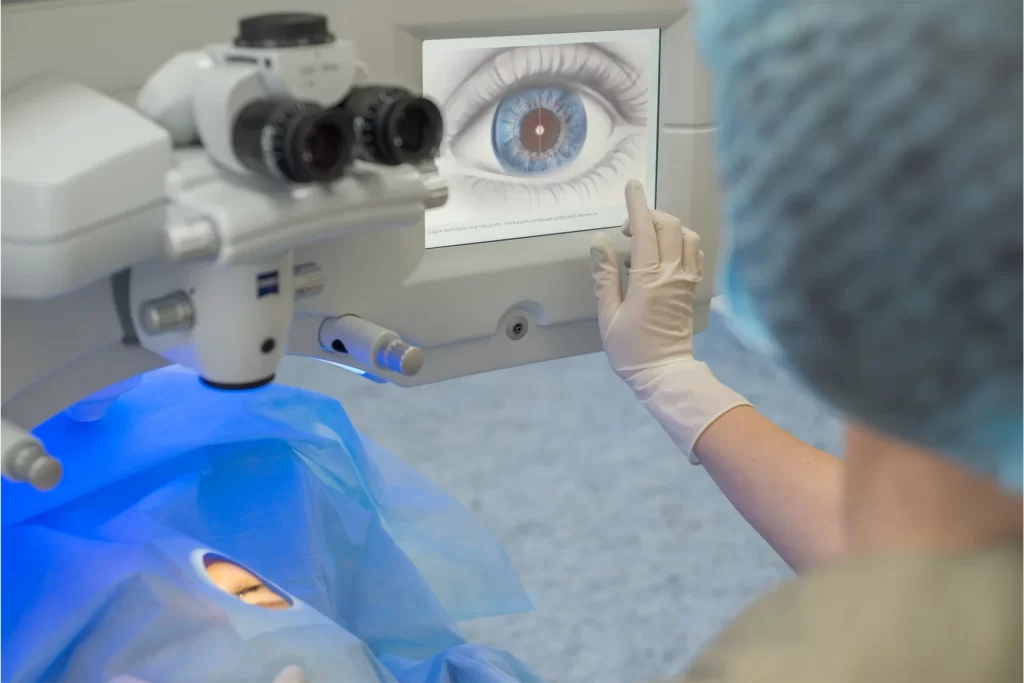
Cataract surgery removes the cloudy natural lens inside the eye and replaces it with a clear artificial lens, known as an intraocular lens (IOL), to correct vision loss.
Surgery is performed through a tiny incision less than 3mm in diameter and ultrasound or even a femtosecond laser is used to liquify the cataract. After the cataract is removed, we implant an artificial lens that is made of acrylic that can correct for astigmatism or even provide multiple foci to decrease the need for reading glasses. The lenses we use have UV filters and in some cases blue light filters to protect the retina.
Your eye doctor may recommend cataract removal surgery when vision loss has interfered with daily activities like reading or driving at night. Surgery is also advised when corrective measures like glasses no longer improve vision. We aim to correct all refractive error in both eyes and give as much spectacle independence post-operatively as possible.
Schedule a consultation today to explore your options.
At Lumin Eye Specialists, cataract surgery is done as a day procedure. With an experienced cataract surgeon, the procedure has a high success rate (more than 99%), leading to improved vision and a better quality of life for patients.
Moreover, we perform surgery under sedation or even general anaesthesia if required so there is no pain or anxiety. We aim for both a safe and reliable outcome.
We also give a comprehensive financial counselling with estimated charges in an itemised form. All our surgeries are medisave claimable and this is based on the MOH TOSP codes for your surgery type.

Cataract Surgery Procedure
This procedure uses ultrasound energy to liquify the cataract and remove it from the eye through a wound less than 3 mm in size. An artificial lens will then be implanted to restore vision. No stitches (sutures) are required, as the wound often heals on its own, allowing faster recovery and less pain and trauma.
This procedure uses the same technology as LASIK, called a femtosecond laser, to create the surgical wounds and fragment the cataract before using ultrasound to liquify the fragments. It is best for complex cataracts, is not painful, and offers several benefits, such as highly precise lens positioning.
Recovery after Cataract Surgery
After cataract surgery, patients may notice changes in their vision as the eyes heal and adjust, but this improves within a few days. You must continue wearing a protective shield at night before sleeping and taking prescribed medications and eye drops to prevent infection and irritation.
It is important not to rub the eyes and to keep the operated eye dry and clean during recovery. Some patients may opt to book an appointment with their hairdressers to have their hair washed during the first week.
Depending on the type of occupation, most patients can resume work the week following surgery, although it will take around a month for their vision to fully stabilise.
Please refrain from driving until our doctors give you the green light as some people may take up to 48 hours to recover from the sedation and this impairs their reaction time on the road.
Attend follow-up consultations with your cataract surgeon as advised to ensure you are recovering properly as intended.

What Are the Risks and Side Effects of Cataract Surgery?
Cataract surgery is one of the safest surgical procedures with a risk of complications in 1:1000 patients
The important but rare complications include:
- Endophthalmitis – an infection entering the eye during or after cataract surgery which can lead to serious loss of vision if not treated early
- Posterior Capsular Rupture (PCR) – the capsular bag holding the lens may be damaged during the surgery resulting in some cataract fragments dropping into the back of the eye. This may require a second surgery to completely remove these fragments
The more common side effects would include:
- Posterior Capsular Opacification – patients may notice blurriness returning a few months to a year after cataract surgery. This happens when remaining cells from the capsular bag grow behind the lens implant. A YAG laser procedure can be used to clean the lens implant and ensure that the PCO does not occur again.
- Cystoid Macular Oedema – some patients may develop swelling in the retina usually a month after cataract surgery and this can be treated by using special anti-inflammatory medications

Cataract Surgery Cost in Singapore
The cost of cataract surgery in Singapore varies based on:
- Surgical method (micro-incisional vs. laser-assisted)
- Type of intraocular lens (monofocal, multifocal, or toric lenses)
- Surgeon’s expertise and hospital/clinic fees
- Complexity of the cataract
The average cost is between $5000 and $10,000 depending on the factors listed above. MediSave can be used to cover a portion of this cost and private insurance may provide additional coverage. Medisave coverage for Table 4A (most common code for cataract surgery) is $2450 per eye.
Consult Lumin Eye Specialists for detailed cost estimates and financing options.
Consult Our Cataract Surgeons
- Determine the severity of your cataracts
- Explore treatment options suited to your needs
- Receive expert advice on cataract surgery and recovery
Frequently Asked Questions
No, we provide moderate sedation and anaesthesia through eye drops or small injections when necessary.
Standard cataract surgery in one eye is usually a 15-minute procedure. There is no need to stay overnight, and you will rest in a day surgery ward.
No, cataracts do not recur once removed by surgery. However, some patients may experience a return of blurriness due to a posterior capsular opacification (PCO) forming. The PCO can be treated with a YAG capsulotomy to prevent its recurrence. The lenses implanted by our doctors are chosen to have technologies that minimise PCO formation.
If you have monofocal lenses, you may still need to wear reading glasses after surgery. On the other hand, if you have multifocal lenses, you usually do not need reading glasses after surgery. Some patients still prefer the comfort of using reading glasses for fine print and that depends on personal preference.
Doctors usually recommend a separate cataract removal surgery date for each eye to minimise the risk of complications and obstruction in one’s daily life as one recovers. It allows the first eye to heal and gives the doctor time to assess the refractive outcome before proceeding to the other eye.
We usually recommend patients who have high spectacle power in both eyes to consider sequential surgeries. Mostost patients may feel dizzy after just a single cataract surgery resulting in a power difference between both eyes and cannot wear their old spectacle prescription.
There is no good evidence for medical treatment for cataracts. Surgery currently is the best option when cataracts impair your vision.
Most cataracts progress slowly before they interfere with your daily activities. See an eye doctor regularly. Your ophthalmologist will be able to give you advice if there are medical conditions causing your cataracts to progress.
There is no guaranteed way to prevent cataracts. However, some lifestyle changes can help reduce your risk of developing cataracts. These include maintaining a healthy diet, quitting smoking, and managing chronic health conditions like diabetes and hypertension.
Lifestyle modifications like wearing sunglasses with UV protection and also wearing eye protection e.g. polycarbonate eye visor when playing badminton to minimise trauma can go a long way in preventing cataract progression
Regular eye care is also important to maintain better eye health. By getting regular eye exams, you can identify risk factors and customise a plan to reduce the onset of cataracts.

