

Myopia Evaluation & Treatment
- Home
- Myopia Evaluation
What Is Myopia?
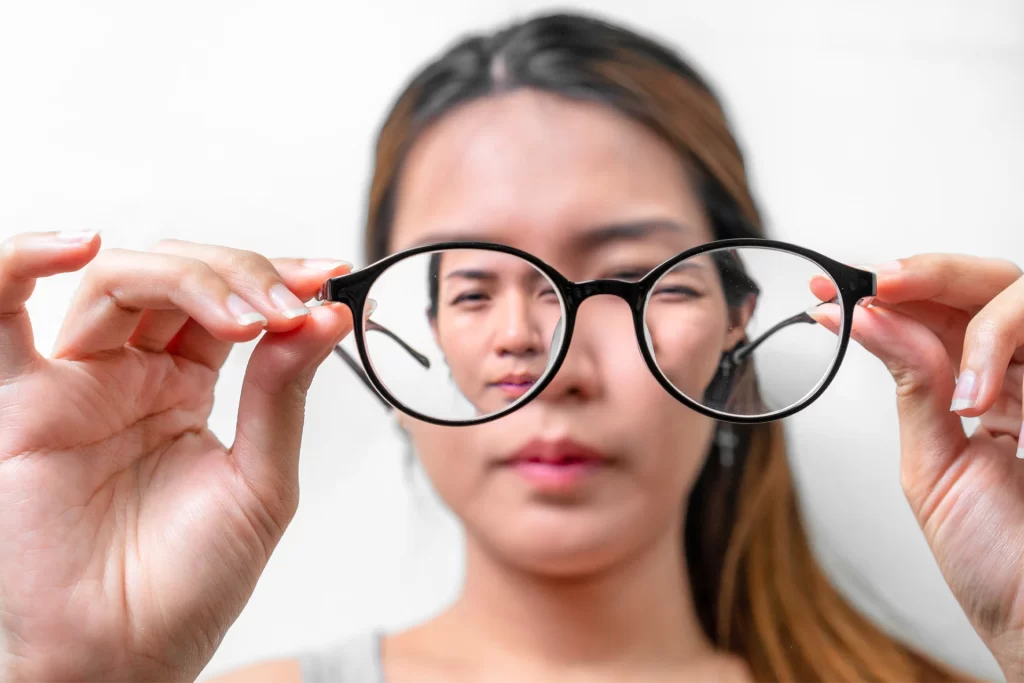
Myopia, commonly known as nearsightedness, causes one to see nearby objects clearly whereas faraway objects will appear blurry. This condition occurs when the longer-than-usual shape of the eye causes light rays to refract inaccurately. Instead of focusing directly on the retina, light rays are focused in front of it.
Due to having one of the highest myopia rates in the world, Singapore earning the country the title of the "Myopia Capital of the World"
Myopia is a significant public health concern in Singapore, with some of the highest rates globally. Approximately 65 percent of children and 83 percent of young adults in Singapore are affected by this condition.
How Is Myopia Diagnosed?
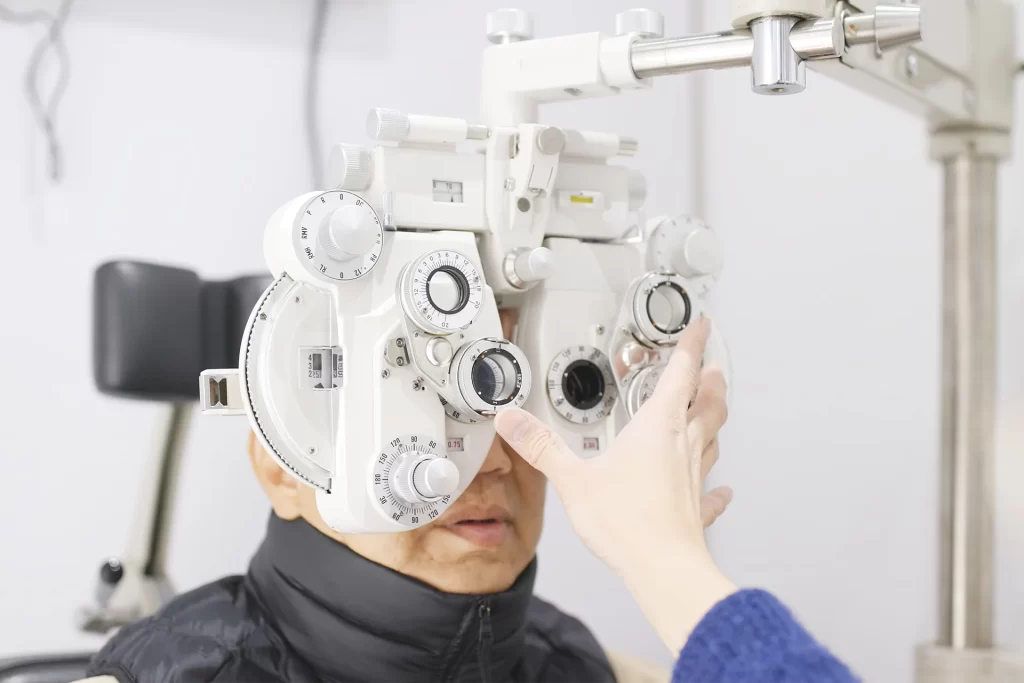
To test for myopia, you will be asked to undergo a vision assessment and a dilated fundal examination. Your ophthalmologists will be making use of refraction (including cycloplegic refraction) and axial length measurements to check the shape of the internal structures of your eye. We will be able to track the rate of growth of the eye and changes in spectacle power and advise on suitable treatments if necessary. Other possible tests include:
- Visual Acuity Test – This test measures the sharpness of the vision at various distances. It involves reading letters or symbols of different sizes on an eye chart from a designated distance
- Refraction Test – During a refraction test, the patient will look through a phoropter or an autorefractor, to measure the amount of refractive error one has.
- Pupil Exam – This eye examination is used to check the pupil's size, shape, and responsiveness using an ophthalmoscope that produces a bright light.
- Retinoscopy – A retinoscope shines a special light into the patient's eyes that reflects off their retina. This will determine if a person is nearsighted or farsighted.
Consult with Our Myopia Specialist
If you notice your distance vision being less clear than before, or your child struggling to see the white board at school or constantly squinting and rubbing their eyes, it may be time to get assessed for myopia.
- Treatment to restore clear vision promptly
- Restore comfort (no more headaches, eye fatigue, eye strain)
- Lower the long-term risks of developing other eye conditions, if left untreated
How Is Myopia Treated?
This involves maintaining good eye habits, including:
- Sufficient outdoor activities in sunlight
- Having good lighting when reading or working
- Limiting screen time
- Having a healthy and balanced diet
- Scheduling regular eye check-ups
- Advising teachers to allow your child to sit in the front of the class
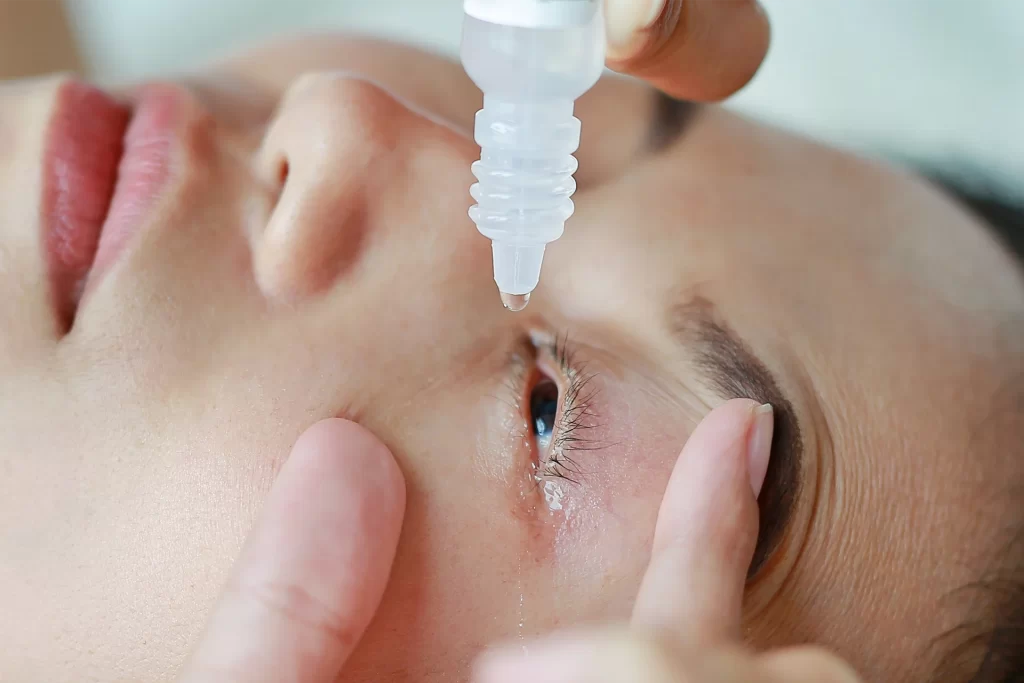
Low-dose atropine eye drops (0.01%, 0.125%, 0.25% and 0.5%) are available and can slow down the progression of myopia in 50 to 60% of children. Atropine treatment requires patients to be committed and motivated, and children will require close monitoring at 6-month intervals.
Eyeglasses are the most simple and popular way to correct myopia and other refractive errors. Contact lenses, on the other hand, are placed directly on the eye and also allow for vision correction.
Refractive surgery and certain laser eye surgeries can reshape the cornea to treat nearsightedness. They include:
- Laser-Assisted In Situ Keratomileusis (LASIK) – LASIK is the most common surgery for myopia. During the LASIK procedure, the ophthalmologist uses a laser to create a thin flap on the top layer of the cornea (epithelium), reshape the inner corneal tissue and then reposition the flap.
- Laser-Assisted Subepithelial Keratectomy (LASEK) – Unlike LASIK, a LASEK procedure does not require a flap. Instead, it involves softening the outer layer of the cornea and moving it away; followed by treating the corneal surface directly with an excimer laser.
- Photorefractive Keratectomy (PRK) – This surgery is used to correct mild or moderate myopia in people with thinner corneas or an irregular corneal surface. In a PRK procedure, the ophthalmologist completely removes the epithelium and uses a laser to reshape the cornea. A temporary, protective contact lens covers the cornea until it regrows.
- Small Incision Lenticule Extraction (SMILE) – SMILE surgery corrects myopia by cutting a small disk-shaped piece of the cornea (lenticule) using a laser, which will then be removed through a small incision in the cornea. It does not require the creation of a flap, which reduces post-operative discomfort and tearing.
Our Specialists

Dr Don Pek
Senior Consultant Ophthalmologist
Dr Don Pek is a Senior Consultant Ophthalmologist with over 15 years of experience in the field, in particular glaucoma surgery and complex cataract surgeries. He completed his general ophthalmology training in Singapore and Edinburgh, UK, followed by a specialised fellowship in Canada focused on Anterior Segment and Cataract Surgery. Dr Pek is dedicated to improving his patients’ quality of life through caring for and preserving their vision as far as possible.

Dr Clarissa Cheng
Senior Consultant Ophthalmologist
Dr Clarissa Cheng is a Senior Consultant Ophthalmologist with more than 15 years of experience in the field, in particular glaucoma and retinal disorders. A Gold Medal award winner in the MOH specialist board examinations, Dr Cheng went on to complete her sub-specialty fellowship at the Manchester Royal Eye Hospital in 2018. Besides her clinical practice, Dr Cheng remains involved in the mentoring of future doctors and ophthalmologists through the teaching of medical students.
