

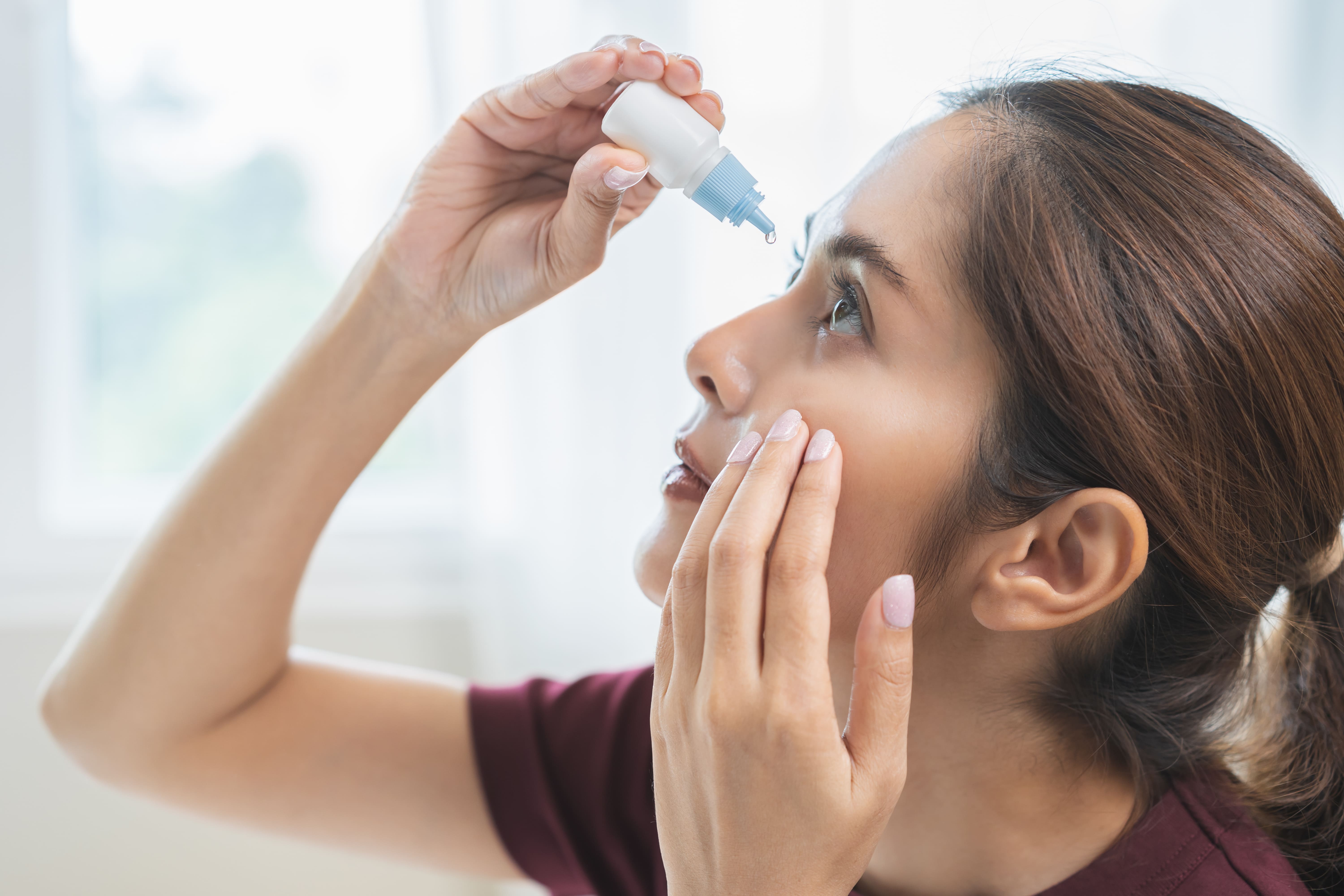
Summary:
-
Eye drops may not work long-term because they only provide temporary surface relief.
-
Daily habits like blinking more and reducing screen strain can help manage symptoms
-
If your eyes are constantly dry, it may be time to see an eye specialist in Singapore.
Why Do My Eyes Still Feel Dry After Using Eye Drops?
You use eye drops. The dryness eases for a while. Then it comes back, sometimes within minutes.
If that sounds familiar, you’re not alone. Eye drops can often help with dry eyes, but they may not address what’s actually causing your symptoms.
So, how does dry eye occur, and when should you speak to an eye specialist in Singapore? Read on to find out.
How Dry Eye Works
Dry eye happens when your tear film cannot stay stable on the surface of your eye.
Each time you blink, a thin layer of tears spreads across your eye to keep it smooth, clear, and comfortable. This tear film depends on three parts working together:
- An oily layer that slows evaporation
- A watery layer that hydrates the eye
- A mucous layer that helps tears spread evenly
When one part is not functioning properly, the tear film breaks up too quickly between blinks. This leaves part of your eye exposed.
This is why your eyes may feel:
- Dry, gritty, or irritated
- Watery, at times (a reflex response)
- Tired or uncomfortable after screen use
Your eyes may also produce more tears in response to irritation, but these tears do not stay in place long enough to protect the eye.
Over time, this cycle can make symptoms more difficult to manage.
Common Reasons Eye Drops Don’t Work
The relief you expect from eye drops may not be long-lasting because they typically sit on your eye, or for several other reasons:
1. The Drops Don’t Match the Type of Dry Eye
Different forms of dry eye respond to different formulations. Some people don’t produce enough tears, while others lose them too quickly. If evaporation is the issue, adding more moisture may not keep tears in place for long, so symptoms return soon after.
2. The Effect Is Temporary by Design
Most eye drops form a thin layer over your eye. This layer gradually breaks up between blinks, and once it does, parts of the eye are exposed again. That’s why relief can fade within minutes to hours.
3. Frequent Use May Disrupt the Tear Film
Occasional use is generally fine, but eye drops may irritate your eyes when used too often, especially if they contain preservatives. Over time, this can make relief feel less consistent.
4. Environmental Triggers Are Still Present
Air-conditioning, prolonged screen use, and reduced blinking can all increase tear evaporation. In these settings, even effective drops may wear off quickly.
5. There May Be an Underlying Condition
The oil glands along your eyelids help slow down tear evaporation. If they’re not functioning well, tears may not stay on the eye long enough, so the effect of drops does not last.
In short, the issue is not always the drops themselves, but how long your tears remain on the eye after they are applied.
Why Persistent Dry Eye Needs Specialist Attention
If your symptoms keep returning despite using eye drops, it may be time to look more closely at what’s driving the dryness.
Some causes of dry eye are not obvious without a closer look at how your eyes function over time.
Dry eye can involve changes to the surface of the eye, the eyelids, or how your tears are produced and maintained. These may only be identified through a proper eye assessment.
To assess your condition, Lumin Eye Specialists in Singapore typically examine:
- How quickly your tears break up after blinking
- The quality and distribution of your tear film
- The condition of your eyelids and surrounding tissue
These findings help us identify the pattern behind your symptoms and determine the right approach to treat them.
Persistent dryness can also affect how comfortable your vision feels throughout the day. If left unaddressed, it can continue to affect how comfortable your eyes feel during daily tasks like reading, using screens, or wearing contact lenses.
Solutions That Go Beyond Over-the-Counter Drops
When dryness does not improve with standard eye drops, doctors usually focus on helping your eyes maintain moisture more effectively.
Depending on what’s contributing to your symptoms, options may include:
Supporting Eyelid Function
If the eyelids are not distributing tears effectively, treatment may focus on improving how they interact with the eye. This may include:
- Lid hygiene
- Warm compress therapy
- In-clinic procedures that target the oil glands, which are often referred to as meibomian gland expression or thermal pulsation therapy
Managing Inflammation on the Eye Surface
Some cases involve low-grade inflammation, which can affect comfort and tear behaviour. Treatment may include medicated eye drops and lid hygiene Targeted treatment may help reduce this.
Improving Tear Retention
In certain situations, treatment that helps tears remain on the eye for longer periods may be considered. This can include punctal plugs, which reduce tear drainage.
Using More Specialised Lubricants
Some formulations are designed to support specific layers of the tear film. These include lipid-based artificial tears for evaporation-related dryness, or preservative-free options for more sensitive eyes or frequent use.
These approaches are usually selected based on how your eyes respond during assessment. Schedule an appointment with Lumin Eye Specialists to understand what may be contributing to your symptoms and the treatment options that may be suitable for you.
Tips to Reduce Dryness Day-to-Day
Alongside treatment, small adjustments in your routine can help reduce how often symptoms flare up.
- Be conscious of how often you blink: Blinking helps maintain a stable tear layer. During focused tasks, you may blink less without realising it.
- Adjust your screen setup: Positioning your screen slightly below eye level can reduce how widely your eyes stay open, which may help limit dryness.
- Limit direct airflow to your eyes: Air from fans or air-conditioning can increase discomfort, especially over longer periods.
- Take short, regular breaks: Looking away from your screen at intervals can help reset your blink pattern and reduce strain.
- Pay attention to when symptoms worsen: Noticing patterns, such as time of day or specific environments, can help you make small changes that reduce irritation.
These steps may not replace treatment, but they can help make symptoms more manageable throughout the day.
Frequently Asked Questions
Does dry eye ever go away?
Dry eye can improve if it’s linked to temporary factors like environment or screen use, but in many cases, it is a long-term condition that needs ongoing management rather than a one-time fix.
What vitamin are you lacking if you have dry eyes?
In most people, dry eyes are more often related to tear function, eyelid health, or environmental factors rather than the vitamins you are or aren’t lacking.
How can I restore moisture in my eyes naturally?
Blink regularly, take breaks from screens, stay hydrated, and reduce direct airflow to your eyes. These may not fully resolve symptoms if there’s an underlying issue, but they can provide relief.
What do most eye doctors recommend for dry eyes?
Most eye doctors recommend a stepwise approach. This often starts with lubricating drops and lifestyle adjustments, and may progress to targeted treatments depending on what is contributing to the dryness.
When to Seek Care for Ongoing Dry Eye
If your symptoms keep returning despite using eye drops, it may be worth having your eyes assessed in more detail.
A consultation can help identify what is contributing to your dryness and whether a more targeted approach may be suitable for you.
If dryness is affecting your day-to-day comfort or visual tasks, you can schedule an appointment with Lumin Eye Specialists to discuss your symptoms and explore your options.