
Summary:
Early support for your retina helps protect your vision and catch potential problems before they affect daily life.
Regular eye exams, healthy lifestyle habits, and management of chronic conditions reduce the risk of retinal issues, especially for people with high myopia, a family history, or age-related vulnerabilities.
Paying attention to changes in your vision and acting promptly can help maintain healthy, clear sight over the long term.
Why Early Retina Support Matters
Caring for your retina early isn’t just about preventing future issues. It keeps your vision clear and your eyes healthy for all the tasks you need to do each day. Knowing the signs to watch for and how to support your retina lets you take action before problems interfere with your daily life.
Understanding the Retina and How It Changes Over Time
Your retina is more than just the back layer of your eye. It’s the hub that converts light into the images your brain sees. Like any part of your body, it changes over time, influenced by age, lifestyle, and overall health.
Anatomy and Function of the Retina
The retina is made up of delicate, light-sensitive cells that send visual information to your brain. Think of it as the camera sensor of your eye—it captures light, processes it, and helps you make sense of the world.
Damage to this layer can affect your clarity of vision and your ability to detect detail, so keeping it healthy is vital.
How Age, Lifestyle and Health Impact Retinal Health
As we get older, the retina naturally becomes thinner and more delicate. Lifestyle factors—like smoking, an unbalanced diet, or long hours in front of screens—can add extra strain, making it even more important to look after your retinal health.
Chronic conditions such as diabetes and high blood pressure can also affect the blood vessels feeding your retina, increasing the risk of complications.
Why You Should Be Proactive About Retina Health
Many retinal problems begin silently, so waiting for symptoms to show up can put your vision at risk.
Being proactive with regular check-ups, healthy habits, and awareness of your personal risk factors can help you maintain good vision and act quickly if something changes.
Early Signs That Your Retina May Need Support
Catching changes early can make a real difference to your vision. Here’s what to look out for to identify problems before they become more serious.
Visual Disturbances
Visual disturbances can be early signs that your retina needs attention. Keep an eye out for:
- Blurred or distorted vision
- Shadows or dark areas across your sight
- Difficulty seeing in dim or low light
- Subtle changes in vision, even if they seem minor
Flashes, Floaters, or Blurred Vision
Flashes, floaters, or sudden blurred vision can signal that your retina is under stress. Watch for:
- Flashes of light in your vision
- Floaters or small spots that drift across your sight
- Sudden blurred or patchy areas
If you notice any of these, it’s important to contact an eye specialist promptly for timely assessment and care.
Who Should Be Especially Vigilant About Retina Health?
Some people naturally have a higher risk for retinal issues. If you fall into one of these groups, it’s worth being extra mindful and scheduling regular screenings.
People with Severe Myopia
Highly myopic eyes are longer, which stretches the retina and makes it more vulnerable. If you have severe myopia, you should be proactive with regular eye exams and report any visual changes promptly.
Family History of Retinal Problems
Genetics can play a role in retinal health. If your parents or siblings have experienced retinal detachment or other retinal conditions, your eyes may be at higher risk.
Regular screenings help catch early changes that might otherwise go unnoticed.
Older Adults and Those with Chronic Conditions
Age increases your vulnerability to retinal changes, and chronic health conditions like diabetes or hypertension can further affect your retina’s delicate blood vessels.
Being vigilant with eye exams and managing these conditions helps protect your vision.
Worried about your retinal health or noticing any changes in your vision? At Lumin Eye Specialists in Singapore, our doctors can guide you on monitoring your retina, identifying early warning signs, and taking proactive steps to protect your vision. Contact us today.
How Early Retina Support Works
Supporting your retina isn’t complicated—it’s about combining regular monitoring, smart nutrition, and overall health management.
Regular Eye Examinations
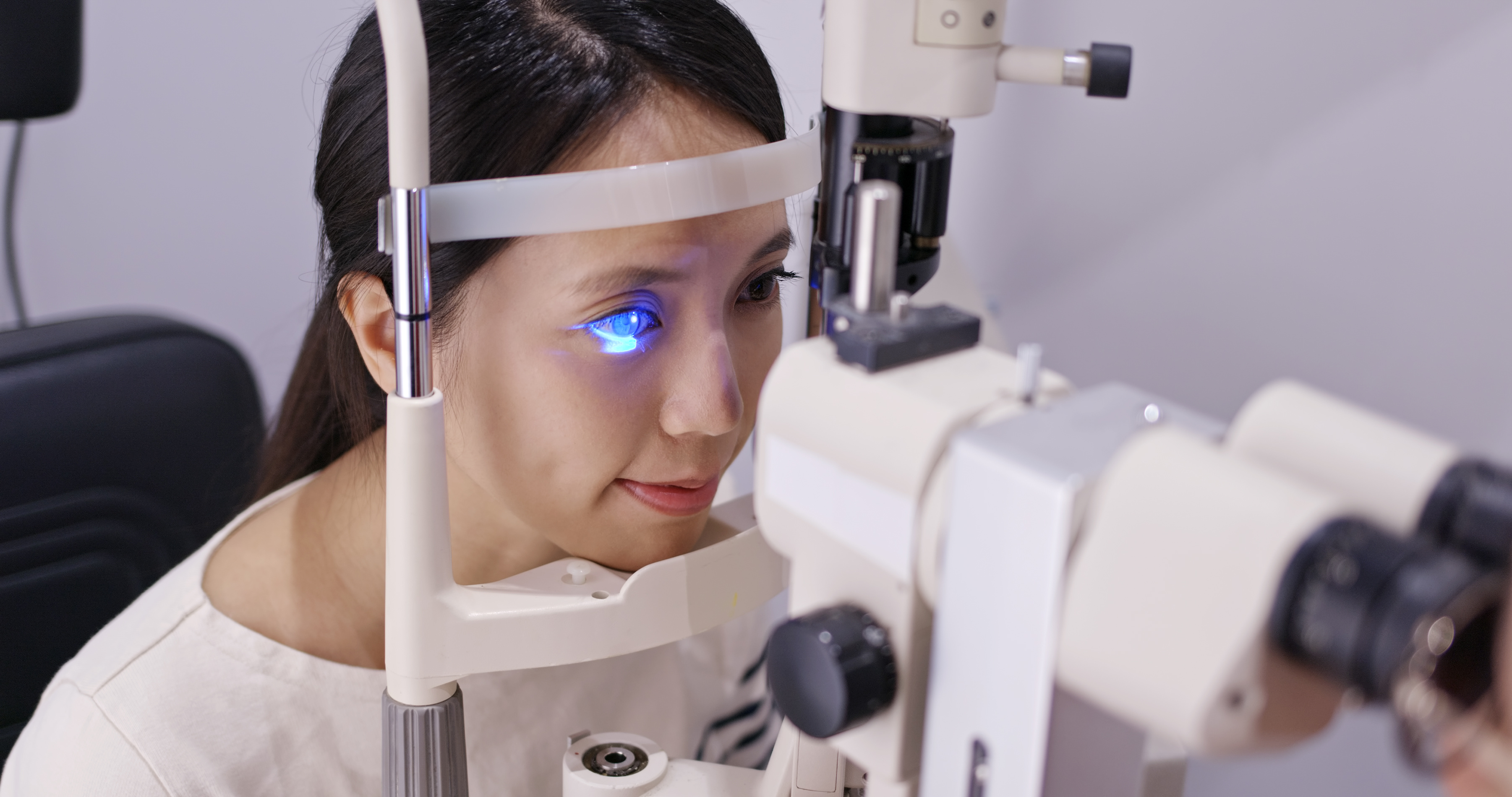
Routine eye screenings are the cornerstone of retinal support. Even if your vision feels fine, a specialist can detect subtle changes before they affect your sight.
These check-ups allow your ophthalmologist to create a personalised plan to protect your eyes.
Nutrition and Supplements
Your diet plays a role in retinal health. Foods rich in antioxidants, vitamins A, C, and E, and omega-3 fatty acids support your retina, while staying hydrated helps your body repair and maintain tissues effectively.
Your doctor may advise that you take certain supplements if your intake is insufficient.
Managing Chronic Conditions
Keeping chronic conditions in check reduces stress on your eyes. Blood sugar, blood pressure, and cholesterol control all help maintain healthy blood vessels in the retina, lowering your risk of damage over time.
Practical Steps to Support Your Retina
Here are some simple steps you can take every day to keep your retina in good shape.
Routine Check-Ups and Screenings
Scheduling regular check-ups allows you to catch early warning signs. Comprehensive retina assessments allow your retina specialist to monitor your eye health and detect any changes, such as retinal detachment, before they progress.
Eye-Friendly Lifestyle Choices
To support your retinal health, limit prolonged screen time, take regular breaks, and wear sunglasses when outdoors. Shielding your eyes from UV exposure and reducing digital strain can help keep your vision healthy over the long term.
Protective Measures for High-Risk Groups
If you’re highly myopic, have a family history of retinal problems, or are managing chronic health conditions, extra precautions matter. Protective eyewear during physical activities and more frequent exams can help safeguard your vision.
Contact Lumin Eye for a Retina Assessment
Your retina plays a central role in how you see the world, and early support can make a real difference. If you suspect a problem, fall into a higher-risk group, or are due for a check-up, it’s important to act now.
At Lumin Eye Specialists in Singapore, we provide detailed retina evaluations and personalised guidance to help you maintain healthy vision.