

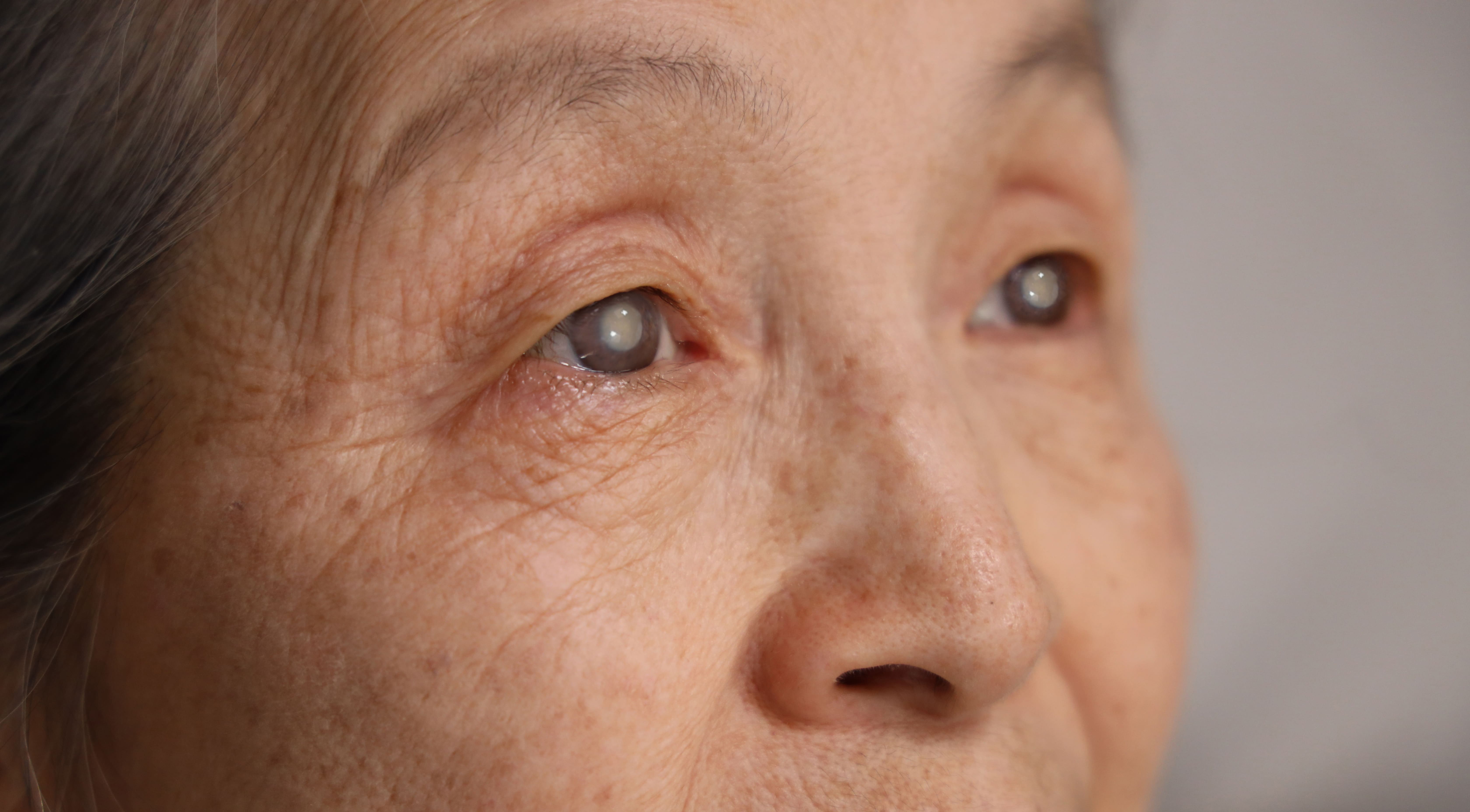
Summary:
-
You may not need cataract surgery in Singapore if your vision remains functional and improves with updated glasses.
-
Surgery is generally recommended when cataracts significantly impair your ability to see clearly for everyday tasks.
-
The decision to proceed is not based on your age alone.
When Is the Right Time to Consider Cataract Surgery?
Not every cataract needs to be removed. In fact, many remain mild and cause little disruption for years. At the same time, waiting indefinitely is not ideal. So, when should you consider getting cataract surgery in Singapore? Can you get it too early or too late? How do you know it’s the right time? Read on for the answers.
Cataracts Are Common With Age, but Surgery Is Not Based on That
Cataracts may be more common as you get older, but that doesn’t mean you’ll need surgery when you hit a certain age. Some cataracts may remain mild and stable over time.
Other people may also develop cataracts earlier due to:
- Diabetes
- Long-term steroid use
- Previous eye injury
- Certain medical conditions
Your age may increase your risk, but it’s not the deciding factor for cataract surgery in Singapore.
The First Real Sign: When Vision Stops Feeling Effortless
Cataracts rarely cause sudden vision loss. Instead, the change is gradual. You may start to notice:
- Persistent blur or haze, even with updated glasses
- Headlights that look harsher than before
- Difficulty seeing clearly in dim spaces
- Colours that appear duller
These changes may seem minor at first. Over time, they may lead you to make drastic lifestyle adjustments.
When Vision Starts Changing How You Live
You may begin to:
- Avoid driving at night
- Turn on more lights at home
- Feel less confident in unfamiliar environments
- Hesitate during activities that once felt easy
These behavioural changes often signal that your cataract is progressing beyond a mild inconvenience.
When you find yourself adapting your routine because of your eyesight, it may be time for a proper assessment. Schedule an appointment with Lumin Eye Specialists today and we’ll advise on whether cataract surgery is the right step for you.
Why the Eye Chart Isn’t the Whole Story
You also can’t rely on your eye chart score alone. Visual acuity tests measure how sharply you can see letters at a distance under bright, controlled conditions. Real life is different.
Cataracts scatter light and reduce contrast. That’s why headlights may look harsher at night, signs become harder to read in dim settings, or faces appear less distinct in uneven lighting — even if your chart score looks “good.”
When Cataract Surgery Is Not Necessary
You may not need surgery if:
- Your vision improves with an updated prescription
- You can read, drive, and work without difficulty
- Glare or dim-light sensitivity is mild and manageable
- The cataract is present but is not rapidly getting worse
When Cataract Surgery Is Recommended
Surgery enters the conversation when the cataract clearly interferes with your vision in a way that glasses can no longer correct. This means:
- Blurry vision that doesn’t improve with new lenses
- Increasingly difficult with night-driving
- Vision feeling unreliable in daily situations
What Specialists Look For Before Recommending Cataract Surgery in Singapore
Beyond what you notice, we also need to confirm that:
The cataract is the primary cause of visual decline
- The lens opacity is progressing
- Other eye conditions are not contributing to your symptoms
- Removing the cataract will significantly improve your sight
When your lived experience and our clinical findings align, we then discuss cataract surgery with you.
What Happens During Cataract Surgery and How It Improves Vision
During cataract surgery, we will remove the cloudy natural lens inside your eye and replace it with a clear artificial (intraocular) lens.
The procedure is performed under local anaesthesia. You’ll be awake, but your eyes will be numbed so you won’t feel pain.
Here’s what typically happens:
- A small incision is made at the edge of the cornea.
- Ultrasound energy is used to gently break up the cloudy lens.
- The fragmented lens is removed.
- A clear artificial lens is inserted into the same position as your original lens.
Because the incision is small, stitches are usually not needed. The surgery takes about 20 to 30 minutes, and you can go home the same day.
Once the cloudy lens is removed, light can pass through the eye properly again.
What to Expect During Recovery
Recovery happens gradually over a few weeks. We may instruct you to:
- Use prescribed eye drops to reduce inflammation and prevent infection
- Wait before resuming daily activities
- Avoid strenuous exercise and heavy lifting right after the procedure
Frequently Asked Questions
Can I live with cataracts without surgery?
Yes, you won’t need surgery if you can function normally even with diagnosed cataracts.
What is the best way to treat cataracts?
Surgery is the only way to remove a cataract once it significantly affects your vision. With surgery, we can replace the cloudy lens with a clear artificial lens.
Can glasses correct cataracts?
Glasses can sharpen your vision in the early stages by adjusting how light focuses onto the retina, but they cannot remove the cloudy lens causing the cataract.
What is the best age for cataract surgery?
There is no “best” age for cataract surgery in Singapore. The right time depends on how much the cataract is affecting your vision.
Too Early or Too Late? Speak to Lumin Eye Specialists About Your Next Step
Some people want to proceed with surgery as soon as a cataract is diagnosed, because they worry that waiting will make the procedure more difficult. Others delay because they feel they can still cope or they’re not ready for surgery.
Book a consultation with Lumin Eye Specialists to find the right window of time for cataract surgery, or to figure out if you even need it.
We’ll evaluate the progression of your cataract, measure how it’s affecting your visual function, and determine whether surgery is likely to improve your sight at this stage. If your vision remains stable and functional, we’ll advise monitoring instead.