

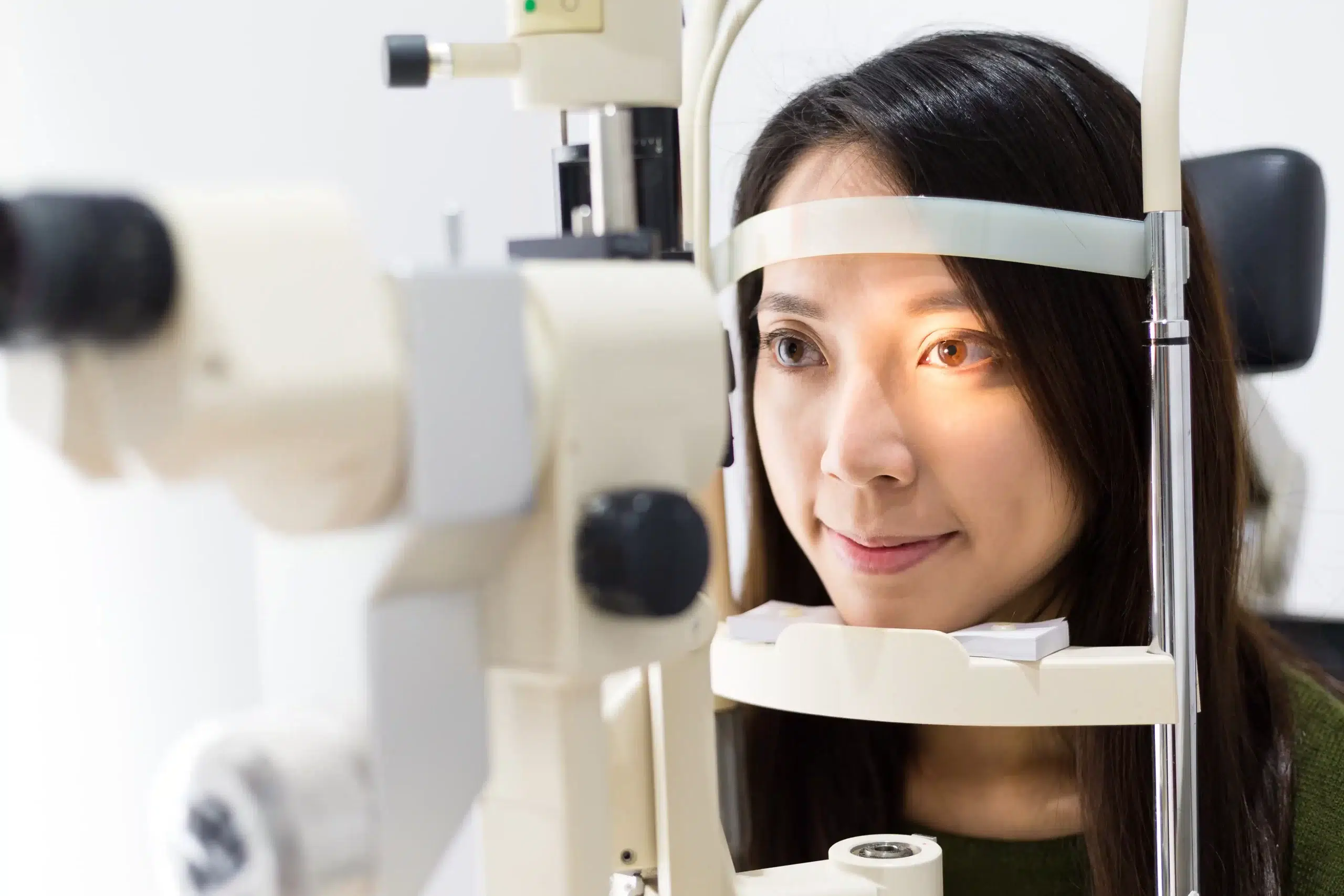
Vision plays a vital role in daily life, yet it’s often overlooked until something goes wrong. That’s where an eye care specialist, or ophthalmologist, comes in. What do they do, and how can they help protect your vision for the long haul? Read on to find out.
Why Long-Term Eye Health Matters
From reading and driving to connecting with loved ones, clear vision allows you to remain independent and active. But like the rest of your body, your eyes change over time.
Early in life, as children living in the 2020s, we are exposed to increased digital screen time, near work and insufficient outdoor activities in sunlight. This has resulted in a myopia epidemic in our kids’ generation. It is important to detect these changes early so that suitable treatment can be started for good outcomes.
As you get older, you become more prone to conditions like cataracts, glaucoma, and macular degeneration. These develop gradually and without early symptoms. Left untreated, they can lead to significant vision loss.
Today’s screen-heavy lifestyles are also contributing to digital eye strain, marked by dryness, fatigue, and blurred vision. Blue light exposure from devices is also under growing scrutiny for its potential long-term impact.
Chronic conditions like diabetes and high blood pressure can quietly damage your eyesight too, with diabetic retinopathy being a leading cause of blindness in working-age adults.
That’s why long-term eye care matters. By working with an ophthalmologist, you can detect problems early and preserve your vision over the years.
What Eye Care Specialists Do
Unlike optometrists, who mainly prescribe glasses and contact lenses, ophthalmologists cover the full spectrum of eye health — from preventive screenings to surgery. Here’s what you can expect at Lumin Eye:
1. Routine vision assessments and general screenings, such as:
- General eye screening (to check for signs of vision changes or disease)
- Refraction (to check the accuracy of your spectacles, contact lenses and also discuss the most suitable options for the patient.
- Cataract evaluation (particularly for patients who drive or operate machinery for work, e.g., pilots, train or bus drivers)
- Dilated retinal examination (to examine the back of the eye for early conditions
- Glaucoma evaluation (especially for patients with a family history, as glaucoma often has no symptoms)
- Myopia evaluation for children (Optimising vision is important for school-going children so that they can do their best)
- Contact lens fitting (Includes special myopia treatment contact lenses, rigid gas-permeable lenses (RGPs), multifocal or toric contact lenses)
- Driving test accreditation (because there are vision standards you must meet)
- Laser license accreditation (National Environmental Agency N3 License (user)
2. Diagnosis and treatment of common eye conditions, including:
- Cataracts
- Conjunctivitis
- Subconjunctival haemorrhage
- Corneal ulcers
- Chalazion
- Glaucoma
- Suitability for LASIK or Implantable Collamer Lens (ICLs)
- Age-related macular degeneration
- Diabetic eye screening
- Retinal tears and detachment
- Epiretinal membrane and macular holes
- Retinal vascular occlusion
- Dislocated or decentered intraocular lenses/lens exchange
- Dry eyes
- Uveitis
- Myopia progression
- Amblyopia and squints
- Trauma, e.g. sporting injuries or falls
- Eyelid issues, e.g. droopiness or skin laxity
3. Monitoring and management of chronic or systemic conditions, such as:
- Diabetic eye disease monitoring
- Glaucoma
- Cataracts
- Dry eyes (common post-LASIK and digital eye strain)
- Uveitis
- Floaters and flashes
- Plaquenil maculopathy monitoring
- Age-related macular degeneration
- Myopia progression and treatment
4. Surgical and laser procedures:
- Cataract assessment and surgery, including femtosecond laser surgery and intraocular lens selection (Toric, extended depth of focus, multifocal lenses for spectacle independence)
- Vitrectomy (to address retinal detachment, macular hole, epiretinal membrane, and vitreous haemorrhage)
- Scleral buckle surgery (to reattach the retina)
- Chalazion removal (to treat persistent eyelid lumps or blocked glands)
- Glaucoma surgery (microincisional glaucoma surgery, MIGS)
- Intravitreal injections for diabetic eye disease, age-related macular degeneration, retinal vascular occlusions, and complications of myopia.
- Laser treatment for retinal breaks
- Laser treatment for diabetic eye disease, age-related macular degeneration, retinal vascular occlusions, and complications of myopia.
- Photodynamic therapy for age-related macular degeneration or central serous retinopathy
- Laser treatment for glaucoma (peripheral iridotomy or iridoplasty to prevent angle closure, selective laser trabeculoplasty)
- Laser treatment for lens disorders (posterior capsular opacity)
- Punctal plug insertion for dry eyes (temporary or permanent)
- Bandage contact lens application for recurrent corneal erosions / epithelial defects
- Repair of iris defects, e.g. iridoplasty
Learn more about the eye conditions and services available at Lumin Eye.
Lifelong Eye Care Starts Early
Early eye exams aren’t just about getting a pair of glasses. They’re about catching subtle changes that might otherwise go unnoticed, like difficulty tracking objects, eye fatigue during reading, or a tendency to sit too close to screens. These may be early signs of developing conditions that are easier to manage when addressed sooner rather than later.
For growing children, especially those with a family history of eye conditions, ongoing assessments help keep vision on track as their eyes develop. Interventions like myopia management, when started young, are most effective in controlling progression and reducing future risk.
If you’re in your 20s or 30s, regular eye checks can also give your eye care specialist a baseline to work from as your eyes change with time. The earlier you invest in eye care, the more options you keep open for your future vision.
Ageing Eyes: Staying Ahead of Degenerative Conditions
While certain kinds of vision changes may seem like a normal part of ageing, they actually signal deeper changes within the eye’s internal structures.
Certain age-related conditions can affect how your eyes process detail, light, and movement over time. What makes them challenging is how slowly they develop. You may not notice any loss in clarity until the condition is more advanced.
That’s why routine eye exams in your later years are essential. These visits help detect patterns that only a specialist can catch.
Building a Long-Term Relationship with Your Eye Care Specialist
A meaningful relationship with your eye care specialist goes beyond yearly check-ups. It’s about making each visit count and ensuring you have a partner in protecting your sight. Here’s how to build that partnership effectively:
- Keep a personal eye health record – Note down prescription changes, past treatments, and any recurring symptoms. Sharing this history helps your specialist detect patterns that may otherwise be missed.
- Ask targeted questions – Don’t just wait for test results. Ask how your eye pressure compares to last year, whether your retinal scan shows early warning signs, or what lifestyle changes could help.
- Schedule preventive screenings – Even if you feel fine, book regular screenings for conditions like glaucoma or diabetic retinopathy. Catching issues early is far easier than treating advanced disease.
- Follow through on aftercare – If your specialist recommends eyedrops, warm compresses, or protective eyewear, commit to using them consistently. These small steps strengthen the long-term impact of medical care. We also aim to reduce unnecessary medications by promoting good habits, e.g good lid hygiene.
- Stay proactive about family history – Share details of conditions like cataracts, macular degeneration, or diabetes in your family. This information allows your specialist to customise your reviews and treatment plan
By taking these steps, you move from being a passive patient to an active partner in your care. Over time, your eye care specialist becomes not just someone who treats problems, but a trusted guide helping you maintain sharp, healthy vision for life.
When to See an Eye Care Specialist
As a rule of thumb, you should schedule a comprehensive eye exam every one to two years, even if you don’t wear glasses or contact lenses. However, some situations call for more immediate attention. Book an appointment if you experience:
- Sudden changes in vision, including blurriness, flashes of light, or floaters.
- Persistent eye pain, redness, or irritation.
- Increased sensitivity to light or difficulty seeing at night.
- Abnormal visual phenomena like glare or haloes
- Frequent headaches that seem connected to eye strain.
- Double vision or trouble focusing or keeping your eyes aligned.
- Recent injuries, e.g. sports sports-related or from road traffic accidents
You should also see a specialist more often if you have a family history of eye disease, wear contact lenses, or live with chronic conditions like diabetes or autoimmune conditions requiring steroid treatment.
Protecting Your Vision, One Visit at a Time
You only get one pair of eyes, and they deserve care that evolves with you. Whether you’re managing a chronic condition, planning a procedure, or simply staying on top of routine screenings, every visit plays a part in protecting your vision for the long term.
At Lumin Eye, our ophthalmologists (or eye care specialists) provide personalised care to support you at every stage and every concern, from early childhood assessments to surgical treatment.