

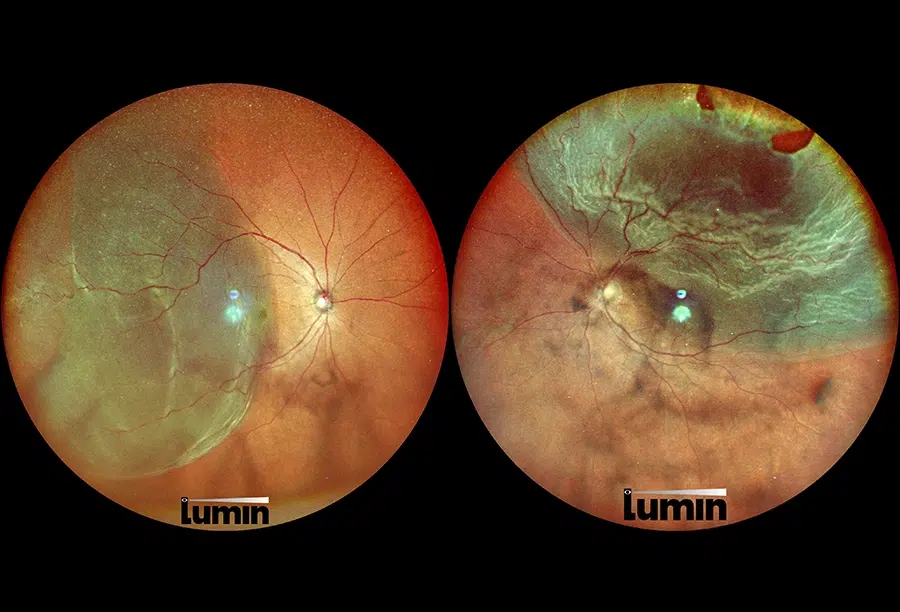
Laser pointers can cause serious eye injury if not used properly
Retinal detachment is one of the most serious eye conditions as it can be rapidly blinding. Unlike refractive errors or cataracts, it develops suddenly, without pain, and can cause irreversible blindness if not treated quickly. Read on to know more about the symptoms and causes of retinal detachment, and what treatment options are available.
What Is Retinal Detachment?
Your retina is a thin, light-sensitive layer of tissue at the back of the eye. It acts like film in a camera, capturing light signals and sending them to the brain via the optic nerve. When the retina detaches from its normal position, it loses its blood supply and begins to degenerate.
Why It’s Risky
- Permanent Vision Loss – Retinal cells are highly specialised and cannot regenerate once damaged. If detachment is left untreated, vision loss is irreversible.
- Rapid Progression – Detachments can progress in a matter of days or even hours. A small tear can quickly extend, peeling away large sections of retina.
- Requires Surgical Intervention – Glasses, medication, or eye drops cannot repair a detached retina. Surgery is almost always required.
- Risk to the Second Eye – Around one in eight people who have a detachment in one eye will develop it in the other, making follow-up essential.
What Causes Retinal Detachment?
There are several reasons people could develop retinal detachment:
- Age-related vitreous changes – As we age, the vitreous gel inside the eye naturally shrinks and pulls away from the retina. This process can cause retina tears and detachment.
- High myopia (short-sightedness) – People with myopia have longer eyeballs and thinner retinas, making them more prone to retina tears and detachment.
- Eye trauma – Blunt injuries, accidents, or sports-related impact can damage the retina.
- Previous eye surgery – Eye surgeries (e.g. cataract surgery, glaucoma surgery, injections in the eye) carry a small risk of retinal tears and detachment.
- Other eye diseases – Conditions such as diabetic retinopathy, uveitis, or ocular tumours can weaken the retina or cause fluid leakage.
Types of Retinal Detachment
There are three main types of retinal detachment:
- Rhegmatogenous Retinal Detachment
- The most common type.
- Caused by a retinal tear or hole that allows fluid to collect beneath the retina.
- The most common type.
- Tractional Retinal Detachment
- Often associated with diabetic retinopathy.
- Scar tissue on the retinal surface pulls the retina away from the back of the eye.
- Often associated with diabetic retinopathy.
- Exudative Retinal Detachment
- Fluid builds up beneath the retina without a tear.
- Caused by inflammation, tumours, or blood vessel problems.
- Fluid builds up beneath the retina without a tear.
Not sure if you have retinal detachment or what that means for your daily life? Contact our doctors at Lumin Eye for a detailed evaluation and consult.
Warning Signs and Symptoms to Watch For

Floaters – Sudden appearance of dark specks, spots, or thread-like strands in your vision.
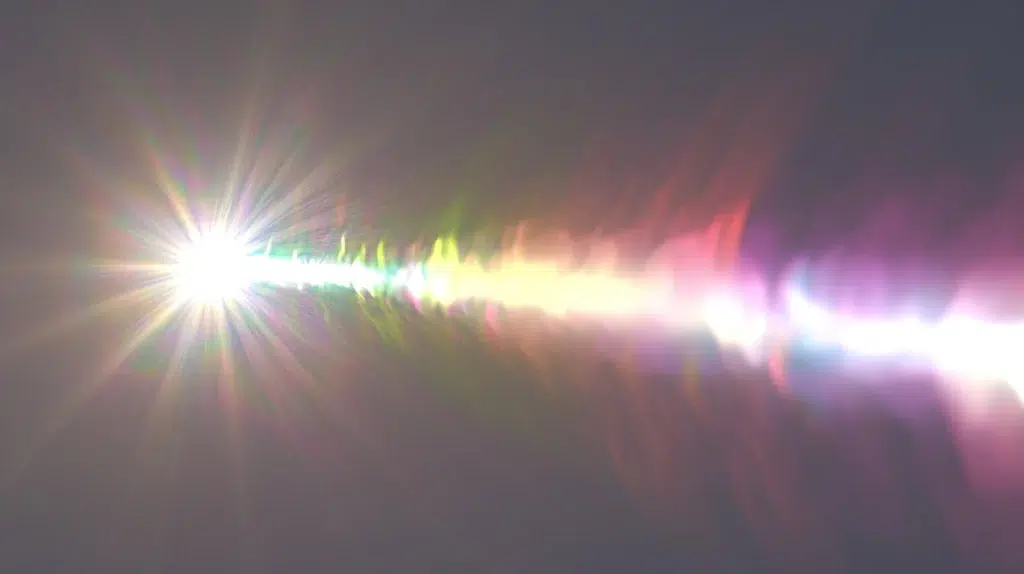
Flashes of light – Often described as lightning streaks in the corner of the eye.

Blurred or distorted vision – Straight lines may appear bent, or images may look out of focus.

Curtain effect – A shadow or veil spreading across part of your visual field, typically beginning from the peripheral vision and moving towards the centre.
How is Retinal Detachment Diagnosed?
To diagnose your condition, your doctor will do a comprehensive dilated eye exam, which may involve the following:
- Slit-lamp examination / binocular indirect ophthalmoscopy – Examination of the eye under a specialized microscope
- Optical Coherence Tomography (OCT) – Creates high-resolution cross-sectional images of the retina.
- Fundus Photography – Captures detailed pictures of the retina’s surface.
- Ultrasound of the Eye – Useful if there is bleeding obscuring the retina.
Retinal Detachment Treatment: What Are Your Options?
The goal of treatment is to reattach the retina and seal any tears. The choice of retinal detachment surgery depends on the type, extent, and cause of retinal detachment.
Laser Photocoagulation or Cryotherapy
- Suitable for small retinal tears before detachment develops or very mild retinal detachments.
- Uses laser burns or freezing to create scar tissue that seals the tear.
Pneumatic Retinopexy
- A gas bubble is injected into the vitreous cavity.
- The bubble reattaches the retina to the wall of the eye.
- Combined with laser or cryotherapy to secure the retina break permanently.
- Strict posturing is required after injection of the gas bubble
Scleral Buckle Surgery
- A silicone band is stitched around the sclera (white of the eye).
- The band pushes the wall of the eye inwards, bringing it closer to the retina.
- This reduces traction on the retina and encourages it to attach to the wall of the eye.
- Combined with laser or cryotherapy to secure the retina break permanently.
- The silicone band is normally left in the eye permanently. It is not visible externally and rarely causes long term side effects.
Vitrectomy
- Involves removing the vitreous gel and replacing it with gas or silicone oil.
- Allows the surgeon to remove scar tissue and directly repair the retina.
- Combined with laser or cryotherapy to secure the retina break permanently.
- May be combined with scleral buckle surgery
- Strict posturing is often required after surgery
Can Retinal Detachment Be Prevented?
Unfortunately, not all retinal detachment cases are preventable. However, you can significantly reduce your risk of developing this condition by taking these precautionary steps.
- Regular eye check-ups – Especially if you have myopia, diabetes, or have a family history of retinal detachment.
- Prompt treatment of retinal tears – Small tears can be sealed with laser before detachment occurs.
- Protective eyewear – Reduces trauma risk during sports or high-risk activities.
- Monitoring after eye surgery – Patients who undergo eye surgery should have regular eye checks.
Get Treatment for Retinal Detachment
Retinal detachment is a medical emergency. Delay can mean the difference between restored vision and permanent blindness. If you notice retinal detachment symptoms, like sudden floaters, flashes and shadows in your sight, seek immediate help.
At Lumin Eye Specialists, our ophthalmologists use a range of diagnostic tools and surgical techniques to manage retinal detachment and related conditions. Book a consultation today to get peace of mind and the care you deserve.
Why Choose an Eye Specialist at Lumin Eye
Our eye specialists (ophthalmologists) have years of experience looking into the eye’s complex structure and detecting subtle or hidden damage.
If you are experiencing symptoms like blind spots, distorted vision, or discomfort after laser exposure, or just want to check your eye health, we encourage you to reach out for a comprehensive eye screening.
We prioritise personalised care and treatment options tailored to the type and severity of the injury, helping to protect your long-term vision.