


Whether you are visiting an eye clinic in Singapore for the first time or just doing a routine check-up, knowing what to expect can help ease any anxiety you feel. An eye examination is far more than just checking whether you need glasses—it is a comprehensive evaluation of your vision and overall eye health.
Here’s a guide to what a typical eye examination in Singapore entails, from the initial questionnaire to various diagnostic tests.
Why You Might Need an Eye Exam
There are many reasons someone might schedule an eye exam. Perhaps your vision feels blurry, you experience eye strain, or lights look harsher than usual. Some people notice floaters, flashes, or persistent redness. Others may have a family history of eye conditions which can be inherited. Some other patients may have an occupational requirement such as for driving or a license to operate lasers and these can be done too!
Even without symptoms, it’s wise to have regular eye checks—conditions such as glaucoma or diabetic retinopathy can develop silently and early detection can significantly improve treatment outcomes.
Most eye care professionals suggest having your eyes examined every one to two years, though your doctor may recommend a different interval depending on your age, medical history, or risk factors.
Before Your Appointment
A little preparation can make a big difference before your eye examination. You can follow the list below to get the most out of your visit to the eye clinic.
- Note down any symptoms, including onset, duration, triggers and patterns.
- Bring your glasses or contact lenses, so your prescription can be reviewed.
- Prepare your medical and family health history, especially conditions like diabetes, hypertension, or inherited eye diseases.
- Prepare your surgical history, especially if you have had eye laser treatment or refractive surgery (e.g. LASIK) before.
- List your current medications, as some can affect eye health.
- Arrive with minimal eye make-up, enabling smoother preliminary testing.
-
Take public transport or come with a friend or family who can drive you home.
Pupil dilation is often required for the eye examination and it can cause blurry vision -
Bring any corporate insurance cards so our staff can access your account for claims.
Please note that some corporate insurance will require a GP referral for specialist claims.
Upon Arrival at the Clinic
Here’s what typically happens when you arrive for your appointment.
- You will complete a health questionnaire noting your vision issues and medical background.
- You're a first-time patient, you may need to provide additional identification such as your SingPass or Employment pass (FIN Card) or Passport if you are not a Singaporean resident referrals.
Preliminary Tests and Measurements
Before meeting your doctor, the support team will run several routine assessments. These often include:
Visual acuity tests
(reading letters to check vision clarity).
Refraction assessments
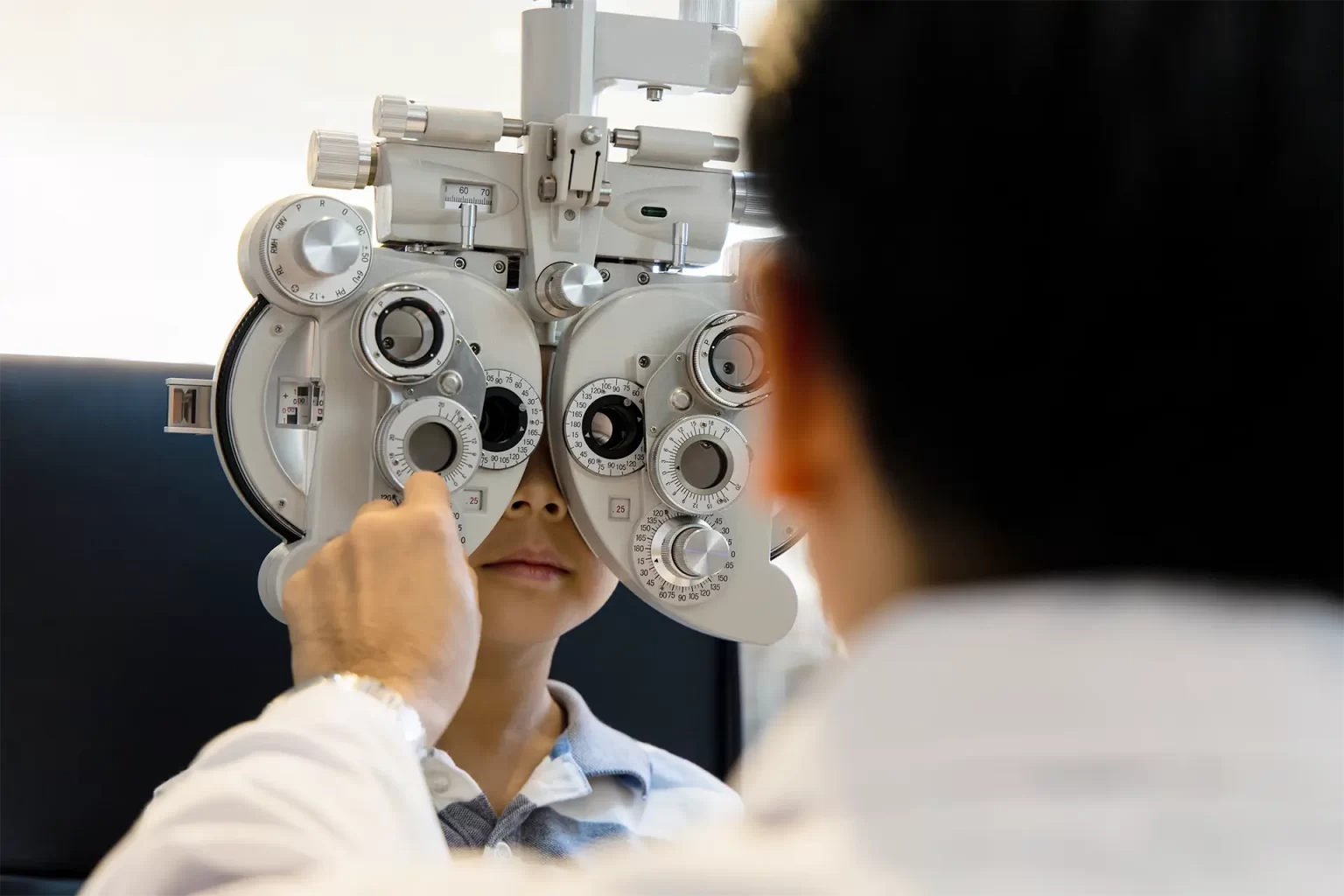
(determining the lens prescription that corrects your focus).
Tonometry
(measuring intraocular pressure to help screen for glaucoma).
Pupil dilation
Using drops to expand the pupil so the clinician can examine the retina more accurately.
Eye measurements
Called biometry, visual fields and retinal or optic nerve imaging may be performed depending on your presenting symptoms.
Depending on your needs, the staff may also recommend additional diagnostics for, cataract assessments, glaucoma screening, diabetic eye screening, and age-related macular evaluation. Click the links to know more!
The Consultation with the Ophthalmologist
During the consultation, your doctor will review your test results, discuss any symptoms, and perform a detailed examination. This may involve:
- Inspecting the outer eye and eyelids.
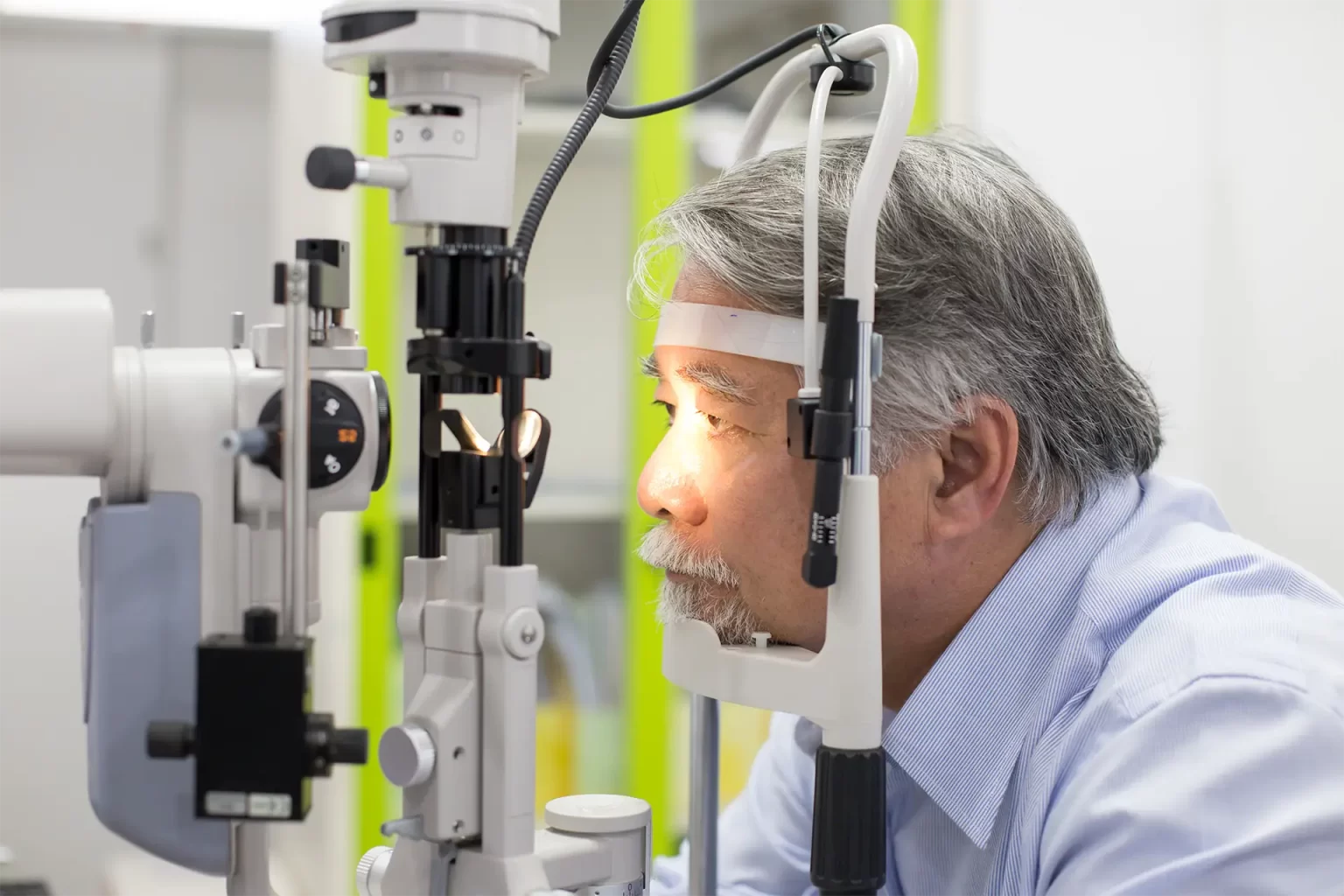
- Using a slit-lamp to examine the tear film, cornea, lens and anterior chamber.
- Viewing the retina and optic nerve, especially if your pupils are dilated.
- Assessing eye alignment and eye muscle function to check for squints and neurological conditions.
Besides getting checked, this is also your opportunity to ask any questions you have about your symptoms and eye health.
Recommendations and Next Steps
After the examination, your doctor will recommend the next steps. These may include:
- Updating your glasses or contact lens prescription.
- Scheduling follow-up tests for conditions such as cataract, glaucoma or diabetic retinopathy.
- Commencing treatment, such as dry eyes management tailored to severity (artificial tears, medication, punctal plugs, lid treatments) and even some injections for age related macular degeneration or ocular inflammatory conditions.
- Recommending surgical options if necessary—these could include cataract surgery, glaucoma surgery, implantable collamer lenses, vitrectomy surgery, retinal detachment surgery, or macular hole repair, chalazion removal or eyelid surgeries for ptosis (droopiness) or malpositions
- Suggesting laser therapy for conditions like glaucoma, diabetic retinopathy or retinal tears.
After the Appointment
FAQs from First-Time Patients
These are some common questions we’ve encountered at our clinic. We share the answers here in the hopes of clearing any doubts people have about eye clinic services and procedures done in Singapore.
No—the exam will not be painful. Some procedures, like the puff of air used in tonometry, might feel unusual, but they are usually not painful.
If you've had pupil dilation, your vision may blurry for near but clear for distance and you will be sensitive to bright lights for several hours. Although you will see clearly to drive, we recommend that it is always safer to have someone else drive you.
Yes—bring your current eyewear, a list of your medical history and any medications you take, and any referrals or past eye test results. Patients with corporate insurance should also bring their insurance details and any GP referrals for us to help you make the claim.
A comprehensive eye check every one to two years is recommended. People with higher risk of eye diseases or vision problems (e.g. over the age of 60, diabetes, family history of glaucoma, previous eye surgery) may need more frequent exams.
Get an Eye Examination at our Singapore Clinic
Regular eye care isn’t about fixing problems only when they become serious—it’s about identifying and treating issues early to preserve your vision for years to come.
At Lumin Eye, we offer comprehensive eye screening in our clinic and do a variety of procedures in Singapore, from cataract surgery, glaucoma, eyelid procedures to retina detachment repair, and more. We strive to always explain treatments clearly, so that patients can make an informed decision.