

Medically Reviewed by

More than 15 years of experience in ophthalmology, with a focus on retinal diseases, cataracts and vitreoretinal surgery.
Summary:
- A retinal tear is often treatable by specialists in Singapore if detected early.
- Treating a tear may reduce your risk of retinal detachment, but it does not fully prevent it.
- Even without symptoms, eye checks from around age 40 can help monitor retinal health.
Mediacorp actor Elvin Ng shared on social media that he had undergone emergency retinal detachment surgery in February 2026. In the early hours of the morning, he had noticed a dark circular shadow at the bottom corner of his right eye. It stayed in place even when he moved his eye. By noon, he went for an eye check, and by evening he was scheduled for retinal detachment surgery. By then the shadow had spread further across nearly half of his vision and was close to the centre.
How can a retinal detachment develop so quickly? How is it linked to myopia, and which changes in your vision should prompt you to see a retina specialist in Singapore?
Get your answers here!
Understanding the Retina and How It Changes Over Time
The retina is a thin layer of tissue at the back of the eye. It works in a similar way to film in a camera, capturing light and converting it into signals that the brain processes as images.
For vision to remain clear, the retina needs to sit in the right position, closely lining the inner wall of the eye. You can think of it like wallpaper that’s attached to a wall.
Most retinal detachments start with a tear. The inside of the eye is filled with a clear gel called the vitreous. As we get older, and often in people with myopia, this gel becomes more watery, shrinks and pulls away from the retina. Where the gel is firmly attached, it can tear the retina as it pulls away. Fluid can then pass through the tear and collect under the retina, lifting it off the wall of the eye.
Once this starts, the detachment can happen rapidly over hours or days. The retina is no longer able to function as it should; once it is detached, you will no longer be able to see.
The effect on your vision depends on how much of the retina is affected, and whether the macula, the central area responsible for detailed vision, is involved.
Early Signs That Your Retina May Need Support
Retinal tears and detachments are usually painless, which makes them easy to dismiss. In her CNA938 Rewind interview, Dr Clarissa Cheng from Lumin Eye Specialists highlights these three key signs associated with retinal changes:
- Floaters that appear suddenly – These may look like small specks, threads, or shadows drifting across your vision. Unlike occasional floaters, these tend to appear abruptly and may continue moving even when your eyes are still.
- Flashes of light – Dr Cheng describes this as brief sparks or flickers, often at the edge of your vision. These flashes may be more noticeable in dim or dark environments.
- A shadow or curtain in the field of vision – This may appear as a dark patch or area where part of your vision is missing or blocked. It does not move or clear with blinking. A shadow usually means the retina has already started to detach.
If you notice any of these signs, see a retina specialist in Singapore the same day. These changes should still be assessed promptly. If they come on suddenly, get them checked urgently.
While these signs are commonly linked to retinal tears or detachment, not all retinal conditions present in the same way. Some may develop more gradually and affect how clearly or comfortably you see over time.
Beyond these, you may also experience:
- A general sense that part of your vision is missing or blocked
- Blurred or distorted vision that does not improve with rest
- Straight lines appearing slightly bent or uneven
- A gradual reduction in clarity, particularly if central vision becomes involved
- If something in your vision feels different from your usual baseline and does not go away, you should get it checked. You can clarify what you’re experiencing and find out whether it needs monitoring or treatment.
Speak to our retina specialists in Singapore for a clear diagnosis and treatment plan.
Who Should Be Especially Vigilant About Retina Health?
Retinal detachment can happen to anyone, but some people are at higher risk. If you have myopia (short-sightedness), your retina has likely been under more strain over time due to how the eye has developed.
Myopia is very common in Singapore, which is often described as the “myopia capital of the world”. About 65% of children are myopic by Primary 6, and around 80% of young adults are affected. By 2050, this is projected to rise to 80–90% of all adults.
In myopia, the eyeball grows longer from front to back. As it elongates, the retina has to stretch to cover a larger surface area. Over time, this can make it thinner and more fragile, especially if you have moderate to high myopia.
You may also want to be more mindful if you’re:
- Over 40 years old
- Have a family history of retinal detachment
- Have had a retinal tear or detachment in either eye
- Have thin or weak areas in your retina, such as lattice degeneration
- Have undergone eye surgery, including cataract or glaucoma or retinal procedures
- Have experienced eye injury
- Have diabetes or other systemic conditions that can affect the retina
While this article focuses on retinal tears and detachment, other conditions — such as age-related macular degeneration or diabetic eye disease — can also affect the retina over time.
Why Early Retina Support Matters
A retinal tear may not cause noticeable symptoms at first, but it can allow fluid to seep under the retina and lead to a detachment. Finding and treating problems early gives the best chance of protecting your vision. A retina specialist in Singapore will examine the back of your eye in detail to check whether the retina is in place and to look for tears or areas that are thin or under strain.
If a tear is found early, it can be easily treated before it progresses to a detachment. The most common approach is laser treatment, which creates tiny scars around the tear to seal it. Some tears are treated with a freezing treatment called cryotherapy instead. Sealing a tear lowers the risk of it developing into a detachment, although it does not remove the risk entirely.
If a detachment does occur, it usually needs surgery. Without prompt treatment, it can lead to permanent vision loss, and the outlook for vision is generally better when the retina is repaired before the macula is affected.
Practical Steps to Support Your Retina
Supporting your retina often comes down to knowing the warning signs, acting on them quickly, and having regular eye checks
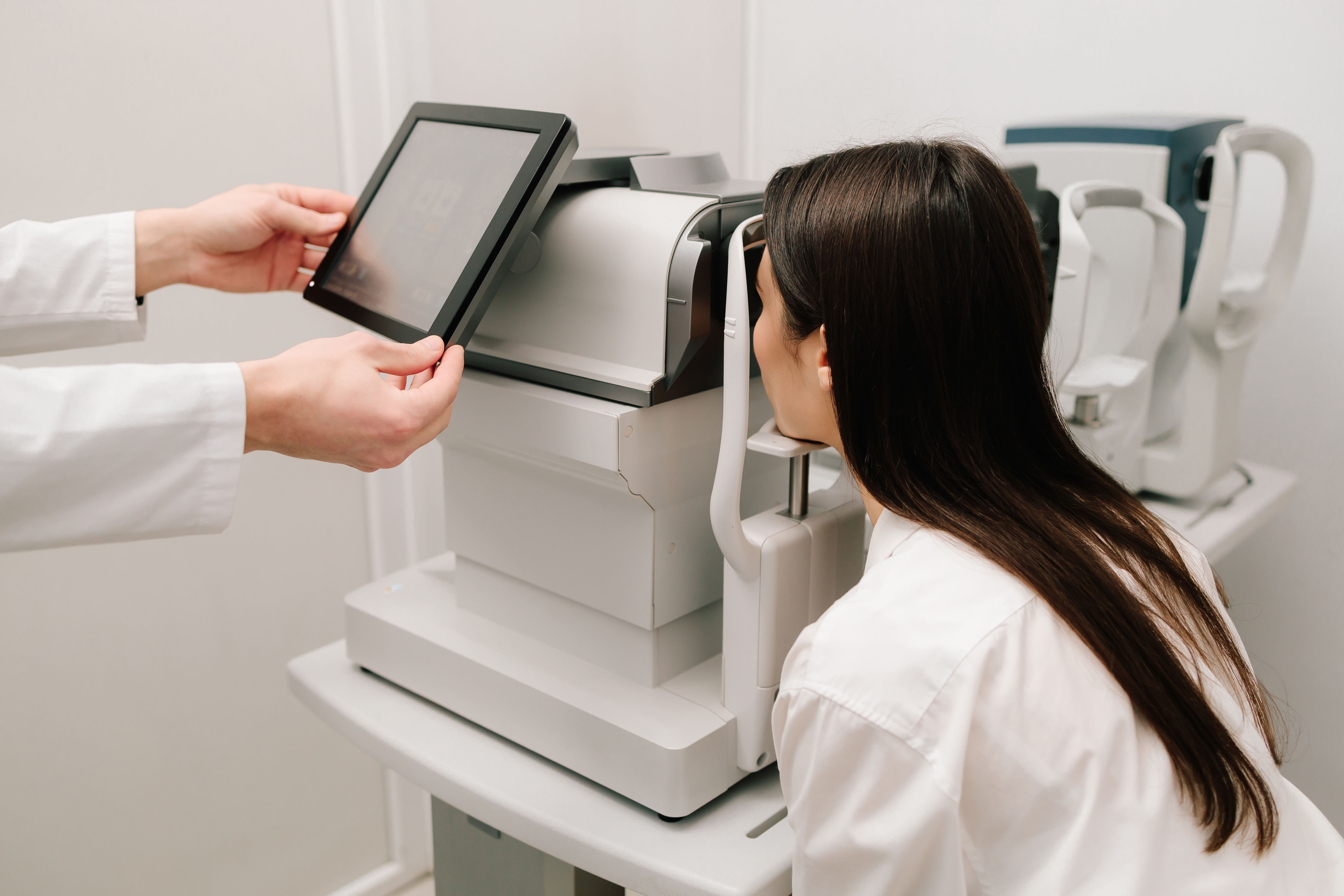
A comprehensive eye examination is recommended from around age 40, or earlier if you have moderate to high myopia. It includes a dilated eye exam, where eye drops widen your pupils so the doctor can examine your retina more closely. Your vision may be blurry and sensitive to light for a few hours afterwards, so avoid driving to your appointment.
Depending on what’s found, additional tests such as retinal scans or imaging may be done to look at the structure of the retina in detail or to monitor specific areas over time.
Wearing protective eyewear during contact sports and other activities with a risk of eye injury can also help.
Schedule a Retina Assessment at Lumin Eye
Elvin Ng’s experience shows how quickly a retinal detachment can progress, and why acting on symptoms the same day matters.
If you notice changes such as new floaters, flashes of light, or a shadow that does not go away, you should see a retina specialist in Singapore.
Even without symptoms, periodic eye examinations from age 40 onwards can help keep track of your retinal health. If no concerns are found, you may not need to return immediately. You’ll be advised on how frequently you should go for eye assessments, based on your individual risk.
Frequently Asked Questions
Can you fully prevent retinal detachment?
Does retinal detachment happen suddenly?
What are the first signs of a retinal tear?
Why see a retinal specialist in Singapore?
Retina specialist in Singapore have additional training and equipment to examine the retina in detail and treat problems like retinal tears and detachment.